
Views: 0 Author: Site Editor Publish Time: 2026-07-31 Origin: Site
The retail market is currently flooded. Many visually striking collections hide poorly formulated products inside. These aesthetically pleasing items often risk causing skin irritation. They can also present a cheap, disappointing unboxing experience. Moving beyond superficial marketing truly matters. You must evaluate technical and physical specifications to guarantee quality.
Checking ingredients, packaging durability, and supplier compliance ensures consumer safety. This diligent approach guarantees you invest in a product delivering actual value. We will explore how to confidently analyze these critical markers. You will learn what chemical and physical components truly dictate cosmetic quality.
Whether purchasing a single premium box or sourcing a custom bath body gift set for a retail line, scrutinizing these details remains essential. Thorough evaluation is the only reliable way to validate your investment. Let us examine the exact specifications driving premium product performance.
Ingredient integrity dictates value: Look for clear disclosure of active botanicals versus inexpensive fillers and harsh surfactants.
Fragrance sourcing matters: Differentiate between volatile synthetic perfumes and stable, cosmetic-grade essential oil blends.
Packaging is a functional specification: Assess material weight, structural integrity, and eco-compliance, not just visual design.
Supplier vetting is non-negotiable for volume: Selecting a qualified bath body gift set supplier requires verifying manufacturing certifications (ISO, GMP) and safety testing documents (MSDS).
Focus strictly on skin safety, proven efficacy, and the realities of cosmetic chemistry. Formulas dictate the entire user experience.
Evaluate the primary cleansing agents carefully. High concentrations of harsh sulfates damage the skin barrier. Sodium Lauryl Sulfate (SLS) strips natural protective oils rapidly. Consumers actively avoid these aggressive chemicals today. You should favor gentler alternatives to prevent severe skin stripping. Sodium Cocoyl Isethionate offers an excellent example of a mild surfactant. It produces a dense, luxurious foam. It also cleanses effectively without causing excessive epidermal dryness. Formulators call it "baby foam" for its exceptional gentleness. Always review the surfactant blend before approving a formulation.
Check the ingredient hierarchy on the back panel. True hydration comes from high-ranking emollients. Ingredients like Shea Butter and Jojoba Oil nourish deeply. They penetrate the epidermis effectively to repair moisture loss. Conversely, many brands rely heavily on cheap bulking agents. Mineral oils and synthetic silicones simply sit on the skin. They create a superficial barrier without providing actual cellular nourishment. A high-quality bath body gift set prioritizes active botanicals. Manufacturers must prioritize efficacy over cheap volume fillers.
Water-based products require robust preservatives universally. Lotions and body washes can harbor dangerous bacteria rapidly. You must acknowledge this absolute necessity in cosmetic chemistry. However, your choice of preservative system matters significantly. Avoid outdated chemical systems causing dermal sensitization. Look for broad-spectrum, paraben-free preservatives instead. Phenoxyethanol and Ethylhexylglycerin provide excellent protection. They ensure a stable, multi-year shelf life. They also successfully avoid triggering common skin allergens. Safety remains paramount for daily use cosmetics.
Focus closely on scent stability, sequential layering capabilities, and strict allergen transparency.
Scent defines the initial consumer unboxing experience. You must define the bath body gift set specifications for fragrance accurately. Pure essential oils offer excellent aromatherapy benefits. They appeal strongly to organic-focused demographics. However, they can be highly volatile under UV light. Cosmetic-grade synthetics offer better long-term chemical stability. They resist fading during prolonged warehouse storage. Premium sets often use a carefully calibrated hybrid. This approach blends natural botanical benefits and stable aromatic performance perfectly.
Curating a collection requires precise olfactory harmony. Evaluate the included items closely. A wash, scrub, and lotion must feature complementary scent profiles. Formulators design them for sequential use in a routine. This deliberate approach prevents any potential olfactory clash. Users experience a cohesive fragrance journey from shower to vanity. Base notes should anchor the lotion. Top notes should dominate the body wash.
Product Type | Fragrance Role | Longevity Expectation |
|---|---|---|
Shower Gel | Volatile Top Notes (Citrus, Mint) | Rinses off quickly, provides immediate burst |
Body Scrub | Heart Notes (Floral, Spices) | Lingers slightly post-rinse |
Body Lotion | Deep Base Notes (Vanilla, Musk, Woods) | Anchors the scent for all-day wear |
Transparency builds long-term consumer trust. Check the outer packaging for EU-compliant allergen listings. The European Union identifies 26 specific fragrance allergens requiring disclosure. Common allergens include Linalool, Limonene, and Citronellol. Trustworthy brands list them clearly on the ingredient deck. They do not hide behind the generic term "fragrance" or "parfum". Strict labeling guidelines protect sensitive users from severe reactions. Insist on full disclosure from your manufacturing partners.
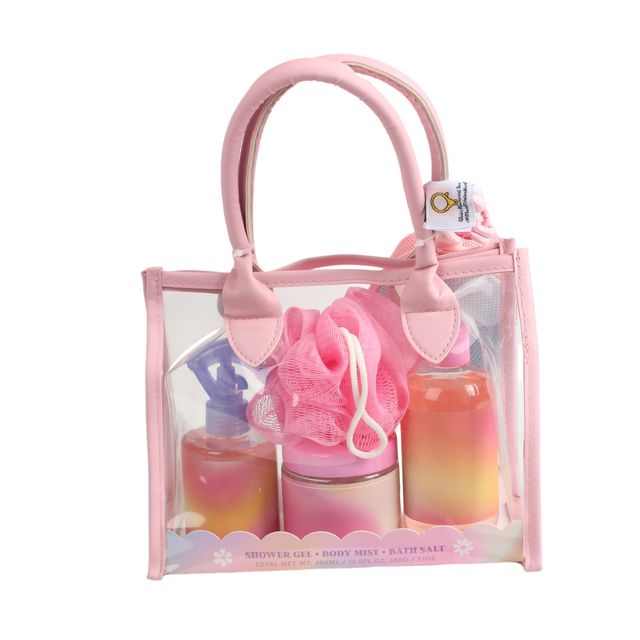
Focus entirely on structural durability, aesthetic weight, and genuine sustainability claims.
Primary vessels need careful, hands-on assessment. Glass looks incredibly luxurious on a retail shelf. It poses severe shattering risks in wet bathroom environments, though. PET plastic represents a much safer alternative. However, it must feature a high-gauge wall thickness. Thin plastics create a cheap, easily squeezable feel. They deform during shipping and handling. Heavy-walled PET mimics the premium weight of glass safely. Durability strongly indicates overall product quality to the end consumer.
Evaluate the internal housing structures critically. Manufacturers use die-cut foam, molded pulp, or custom folded cardboard. These internal inserts keep individual items secure during rough transit. Proper alignment prevents messy liquid spills. It also stops fragile bath bombs from cracking into dust. A pristine unboxing experience demands exact structural precision.
Request vibration testing documentation for assembled boxes.
Ensure bottle pumps feature secure locking clips.
Check tolerance gaps between products and their cutouts.
Verify the outer sleeve fits snugly without tearing.
Scrutinize all "eco-friendly" marketing claims relentlessly. Greenwashing remains highly prevalent in the modern cosmetics industry. Look for verifiable, standardized physical specs instead of vague promises. Post-Consumer Recycled (PCR) plastic percentages show real environmental commitment. Forest Stewardship Council (FSC) certified paperboards validate sustainable forestry practices. Biodegradable, water-soluble packing peanuts offer another excellent metric. Evidence always outweighs cleverly written marketing copy.
Focus on evaluating concrete options for retail buyers and corporate gifting managers.
Retailers need adaptable, climate-appropriate product lines. When sourcing a private label retail bath body gift set, check modular options. Determine if the manufacturer offers modular formulations willingly. You might need to swap a standard lightweight lotion. A heavy body butter works much better for colder regional climates. Tropical markets demand refreshing gel textures instead. Flexibility ensures precise market fit and higher sales velocity. Ask potential partners about their base formula library.
Visual presentation directly drives retail sales volume. Look for suppliers capable of high-resolution CMYK printing. Foil stamping and raised embossing elevate the outer box significantly. These tactile finishes justify a premium retail price point. Precise label application on internal bottles is equally crucial. Crooked or bubbling labels destroy perceived brand value instantly. Request physical mockups to inspect their printing alignment accuracy.
Your operating budget dictates production choices heavily. Understand the threshold where complete customization becomes highly cost-effective. Pre-curated white-label sets usually offer much lower MOQs. They suit smaller retail launches perfectly. Conversely, fully bespoke molds and custom scents require higher volume commitments. Volume reduces per-unit costs significantly over time. Calculate your break-even point before selecting a production tier.
Production Type | Typical MOQ | Customization Scope | Lead Time |
|---|---|---|---|
White-Label Curated | 500 - 1,000 Units | Outer Box and Labels Only | 3 - 5 Weeks |
Semi-Custom | 2,500 - 5,000 Units | Scent Selection, Formula Tweaks | 6 - 8 Weeks |
Fully Bespoke | 10,000+ Units | Custom Molds, Proprietary Scents | 12 - 16 Weeks |
Focus sharply on risk mitigation, strict legal compliance, and rigorous quality control.
Manufacturing standards matter immensely for product safety. A reliable supplier must operate under strict international guidelines. Good Manufacturing Practices (GMP) represent an absolute baseline requirement. They must also hold highly relevant ISO certifications. ISO 22716 specifically governs safe, sanitary cosmetic production. These credentials mitigate severe operational risks for your brand. They prove the facility maintains sterile mixing environments. Always verify these certificates directly through issuing bodies.
Never skip thorough safety verification protocols. Demand a current Material Safety Data Sheet (MSDS). You also need a Certificate of Analysis (COA) for every product. These technical documents verify strict heavy metal limits. They also confirm rigorous microbial testing results per batch. Legal compliance protects your business from costly recalls. It also shields you from consumer liability claims. Treat incomplete documentation as a massive red flag.
Production delays destroy projected retail margins quickly. Evaluate standard manufacturing lead times during initial negotiations. Identify potential component sourcing bottlenecks early. Ask about their official protocols for crisis management. You need to know how they handle batch recalls. Defective packaging requires immediate resolution procedures.
Request current GMP and ISO certificates annually.
Review COA documents for every new production batch submitted.
Establish clear Service Level Agreements for defect resolution.
Audit their raw material inventory forecasting methods.
We have successfully transitioned from passive buyers to highly informed evaluators. Evaluating technical specs guarantees long-term retail success. The true cost of a poorly specified collection far outweighs initial savings. Compromised gifting experiences and excessive retail returns destroy brand reputation permanently. Validate ingredients, packaging durability, and supplier credentials beforehand.
Take concrete action steps today to protect your investment. Request technical spec sheets immediately from potential partners. Ask for full, unredacted ingredient lists for review. Order complete physical samples before finalizing your purchase or bulk order. Taking control of your technical sourcing process ensures superior market performance.
A: Unopened products generally remain stable for 24–36 months. Look for the PAO (Period After Opening) jar symbol on individual items. It typically indicates 6 to 12 months of optimal efficacy once exposed to air and moisture. Proper storage in cool, dry environments extends this window significantly.
A: "Hypoallergenic" is not a legally regulated term in many regions. Instead, look for sets explicitly omitting common sensitizers. Avoid sulfates, artificial dyes, and specific volatile essential oils. Demand third-party dermatological testing certificates from the manufacturer to firmly validate any safety claims.
A: Check the formula ingredient list specifically for Polysorbate 80. This powerful emulsifier acts as a critical specification in bath bombs. It binds the colored micas and carrier oils directly to the bathwater. This chemical action prevents colorants from stubbornly clinging to the walls of the bathtub.


