
Views: 0 Author: Site Editor Publish Time: 2026-08-26 Origin: Site
For commercial spas, physical therapy clinics, and independent practitioners, selecting a professional-grade product is not just an aesthetic choice. It represents a critical operational and liability decision. We know substandard formulas lead directly to accelerated linen degradation. They also increase therapist fatigue and elevate the risk of contact dermatitis across your client base. Understanding precise essential oil massage oil specifications allows you to avoid these hidden business pitfalls. Our objective is to define the exact technical requirements, packaging standards, and compliance metrics you need today. You will learn how to evaluate commercial formulations objectively. This comprehensive guide empowers you to choose products safely, ensuring client satisfaction and smooth daily operations.
Product specifications tie directly to your bottom-line profitability. They also streamline your clinical risk management protocols. Poor ingredient choices cause rapid linen spoilage and unhappy clients. This ultimately drives up your daily overhead. You must view massage mediums as critical operational assets rather than simple consumables.
The friction coefficient matters immensely during consecutive treatments. A proper balance of glide and grip reduces practitioner stamina drain. When therapists struggle against high-friction bases, their joints suffer. Treatment efficacy drops significantly by the end of their shift. Conversely, an overly slippery formula prevents deep tissue manipulation. Practitioners need consistent viscosity to maintain ergonomic body mechanics.
Rancidity acts as a massive hidden overhead cost for spas. Heavy residue traps unpleasant odors inside commercial linens. Frequent sheet replacements hurt your profitability severely. Spas must use specialized laundering protocols to break down heavy lipid barriers. Polyunsaturated fats oxidize quickly when exposed to heat in standard commercial dryers. This oxidation not only ruins the fabric but also creates a documented fire hazard if washed improperly.
Nut-allergy cross-contamination remains a serious facility liability. Sweet Almond and Macadamia nut bases trigger severe reactions in sensitive populations. Phototoxicity poses another hidden hazard for unsuspecting clients. Certain cold-pressed citrus extracts cause severe skin burns under UV light exposure. You must manage these risks proactively through strict ingredient specifications. Always verify botanical origins before introducing them to the treatment room.
Evaluate your carrier oil foundation carefully before making bulk purchases. Popular bases include Jojoba, Fractionated Coconut Oil, and Sweet Almond. You must strike a delicate balance between flow and penetration. The formula needs adequate "workability time" for prolonged deep tissue modalities. However, it must leave a completely non-greasy finish. Clients despise feeling sticky when they put their clothes back on.
| Carrier Oil Type | Viscosity Level | Absorption Rate | Ideal Therapy Application |
|---|---|---|---|
| Fractionated Coconut Oil | Low (Very Thin) | Fast | Quick-release sports massage, reflexology |
| Jojoba Wax Extract | Medium | Moderate | Facial treatments, broad-spectrum Swedish |
| Sweet Almond | Medium-High | Slow | Extended deep tissue, prolonged gliding |
| Grapeseed | Low | Very Fast | Acne-prone clients, short localized work |
Define commercial baseline standards rigorously across your organization. Industry experts recommend a strict 1% dilution limit for sensitive skin. Facial use also requires this lower 1% threshold. Standard full-body therapies typically tolerate a 2-3% concentration safely. Unregulated high-concentration blends act as dangerous wildcards. They pose severe skin sensitization risks in high-volume settings. Too many active botanical compounds can overwhelm the human dermal barrier. This triggers contact dermatitis, forcing you to manage angry clients and potential lawsuits.
Assess the pore-clogging potential of your base lipids regularly. Dermatologists use a standard 0-5 comedogenic scale for this purpose. Zero means the substance will not clog pores. Five indicates it will highly likely cause acne breakouts. You should prioritize hypoallergenic profiles exclusively. This ensures broad-spectrum client compatibility across diverse skin types.
| Base Ingredient | Comedogenic Rating (0-5) | Skin Compatibility Profile |
|---|---|---|
| Hemp Seed | 0 | Excellent for acne-prone or highly sensitive skin |
| Shea Butter (Liquid) | 0 - 1 | Highly moisturizing, low risk of congestion |
| Sweet Almond | 2 | Moderate risk; avoid on active facial acne |
| Wheat Germ | 5 | High risk; clogs pores easily in most clients |
Protect your liquid investment from relentless environmental threats. Ultraviolet exposure degrades volatile aromatic compounds incredibly quickly. Oxygen and severe temperature fluctuations also accelerate the rancidity process. Proper vessel materials represent a critical operational necessity. Pure botanical extracts require dark amber or cobalt glass for cellular protection. Cheap plastics often leach harmful chemical plasticizers into active therapeutic blends.
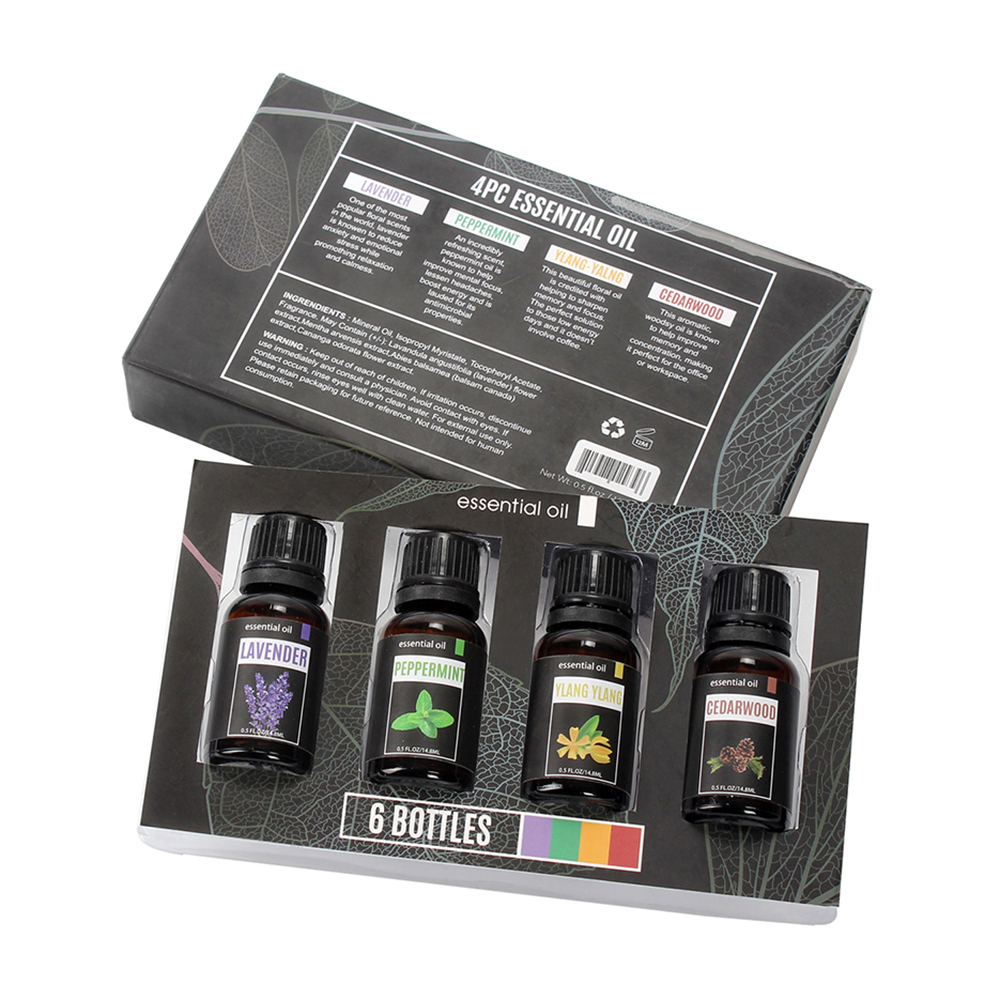
Container sizing must match your specific business model efficiently. Bulk drums (measured in gallons) work best for raw carrier bases. They also suit pre-mixed high-volume products used daily. Conversely, utilizing a 15ml essential oil in glass bottle opens new revenue streams entirely. You can use these smaller formats for immediate retail upselling. They also work perfectly for bespoke client mixing right at the treatment table. Furthermore, you can provide them as premium take-home therapeutic samples. This builds tremendous brand loyalty and drives repeat clinic visits.
Pump specifications carry more weight than most managers realize. Faulty dispensers leak profits drop by drop. Mechanisms must prevent airborne cross-contamination at all times. Airless pumps keep damaging oxygen out of the primary chamber. They also help control your exact cost-per-use accurately. Precise dosing allows you to forecast inventory purchases without relying on guesswork.
Quality assurance documentation remains absolutely non-negotiable today. Demand up-to-date Certificates of Analysis (COA) for every batch. You also need comprehensive GC/MS reports from any prospective essential oil massage oil supplier. Gas Chromatography separates the volatile compounds within the liquid. Mass Spectrometry identifies them by their unique molecular weight. These critical documents verify the total absence of synthetic adulterants. They also rule out dangerous heavy metals and lingering agricultural pesticides.
Supply chain reliability forms the backbone of your therapeutic menu. A strong partner maintains aromatic stability across unpredictable seasonal crop variances. If a lavender harvest yields differently, your partner must blend batches intelligently. This maintains the familiar scent profile your regular clients expect.
Scalability dictates your ongoing operational flow and expansion potential. Evaluate their minimum order quantities (MOQs) closely. Assess fulfillment speed during peak holiday seasons. Explore white-label capabilities if you plan to franchise your spa concept. A great vendor grows seamlessly alongside your corporate expansion.
Modern consumers demand strict ethical and environmental compliance. Shortlist suppliers holding verifiable, third-party sustainability certifications. Look for official organic, cruelty-free, and sustainable harvesting credentials. Transparent sourcing protects endangered botanical species like Sandalwood and Rosewood from reckless overharvesting.
Staff training requirements demand your immediate and focused attention. Educate all practitioners on vital clinical contraindications. Pregnancy limits the use of Clary Sage and Peppermint. Specific blood pressure medications dictate which therapeutic profiles remain safe. You must establish clear, written Standard Operating Procedures (SOPs). Update your digital intake form protocols immediately. Screen rigorously for newly introduced allergens before any client undresses.
Patch-testing workflows save you from catastrophic allergic reactions. Implement systematic skin testing for clients reporting known sensitivities. Apply a diluted drop behind their ear or on their inner forearm. Wait fifteen minutes before proceeding with the full-body application. If redness occurs, switch to a hypoallergenic plain base instantly.
As a crucial next-step action, we strongly recommend a strict pilot phase. Order small commercial batches first. Test how a newly formulated essential oil massage oil impacts your specific cotton linens. Gather direct, anonymous therapist feedback regarding glide and fatigue. Run these trials for at least fourteen days. Review the data comprehensively before executing a full facility-wide operational switch.
A: The ideal shelf life ranges from 12 to 24 months. This depends heavily on your chosen carrier base. Jojoba and Fractionated Coconut Oil last significantly longer than Sweet Almond or Grapeseed. Storage conditions matter greatly. You must keep containers in cool, dark environments away from direct sunlight.
A: GC/MS testing identifies the precise chemical makeup of the liquid. It ensures the product remains entirely free from synthetic diluents, pesticides, and cheap chemical adulterants. Unverified liquids often trigger adverse dermal reactions. Genuine reports prove you are applying pure, therapeutic-grade compounds safely.
A: Yes, provided you follow strict dermatological dilution protocols. Sourcing pure botanical extracts and mixing them into bulk carriers requires highly trained staff. This maintains safety and aromatic consistency. Never eyeball measurements. Use precise tools to keep active concentrations below the standard 3% safety threshold.


