
Views: 0 Author: Site Editor Publish Time: 2026-09-14 Origin: Site
Sourcing bulk bath products carries inherent quality control risks across the entire supply chain. A poorly manufactured batch often leads to crumbled inventory and severe transit damage. End-user complaints can also escalate rapidly due to issues like tub staining or skin irritation. Many wholesale buyers focus solely on scent and visual appeal during the initial sample phase. They unfortunately neglect crucial elements like structural stability and chemical consistency during large-scale production runs. This oversight jeopardizes retail relationships and damages brand reputation.
This article provides a rigorous, manufacturer-agnostic framework for properly evaluating bulk wholesale orders. You will discover practical methods to test structural integrity, ingredient chemistry, and packaging resilience. Our goal is to ensure you select a manufacturing partner capable of delivering consistent, compliant, and shelf-stable products every single time.
Physical durability is just as critical as cosmetic appeal; structural integrity testing prevents high transit-loss margins.
Precise chemical ratios dictate fizz performance and shelf life; moisture exposure is the primary catalyst for batch failure.
Standardized bath fizzer specifications (like consistent 100g weights) are crucial for packaging uniformity and retail margin calculation.
A credible bath fizzer supplier must provide verifiable Certificates of Analysis (COA) and demonstrate strict humidity controls during manufacturing.
Weight consistency directly impacts your retail packaging, shipping calculations, and overall unit economics. When a factory produces thousands of units, minor fluctuations in weight quickly compound. Defining exact bath fizzer specifications before production begins prevents costly misalignments down the line. If a product is supposed to weigh 100 grams, standard automated packaging equipment relies on that precise dimension.
A reliable 100g bath fizzer should maintain a strict acceptable variance rate. In bulk manufacturing, a tolerance of +/- 5g is standard practice. Anything beyond this 5% deviation indicates inconsistent mold packing or irregular ingredient density. You must reject batches exhibiting wider variances. Uneven weights often mean some units are packed too loosely. Loose units will ultimately fail in transit and cause packaging jams.
Common Mistake: Buyers often accept a sample without weighing it themselves. Always verify sample weights using a calibrated digital scale before approving mass production.
Cosmetic appeal matters little if the product crumbles before reaching the consumer. Structural density depends heavily on the compression force applied during manufacturing. Automated presses exert uniform pressure, creating a dense, durable sphere. Hand-pressed methods often yield inconsistent density, leading to fragile products.
You can easily evaluate structural density using a standard drop test. This practical assessment mimics the rough handling products endure during shipping and warehouse processing.
Select five random samples from a recent bulk production run.
Hold each unit approximately three feet (about one meter) above a hard surface, such as a concrete or tile floor.
Drop the unit directly onto the surface.
Inspect the damage. A high-quality product may chip slightly or flatten at the impact point. It should never shatter into multiple pieces or disintegrate into powder.
Products failing this test lack adequate compression or proper binding agents. High transit-loss margins will destroy your profitability if you ignore structural integrity during the vetting phase.
The core mechanism of any bath fizzer relies on a precise acid-base reaction. Manufacturers typically combine sodium bicarbonate (baking soda) and citric acid in a strict 2:1 ratio. This ratio dictates the fizz duration and the auditory feedback consumers love. If a supplier alters this ratio to cut costs, the product suffers.
When assessing a sample, monitor the dissolution rate in warm water. You want vigorous bubbling and a consistent spin. Slow, underwhelming dissolution often points to inadequate citric acid levels or stale ingredients. Conversely, a product dissolving too rapidly might contain excess fillers like cornstarch, which dulls the experience. A well-formulated 100g unit should actively fizz for three to five minutes, releasing fragrance evenly throughout the process.
Poor colorant formulation generates the highest volume of negative customer reviews. You must inspect how colorants and micas disperse in water. Reputable manufacturers use water-soluble dyes (like FD&C certified colors) that rinse away cleanly. Substandard factories often use heavy pigments or excess mica without proper emulsifiers.
To prevent tub staining and slippery surfaces, the formulation must include an effective emulsifier, usually Polysorbate 80. This ingredient binds carrier oils, essential oils, and colorants to the bathwater. Without it, oils float on the surface, leaving a hazardous, slippery residue. Colors will also cling to the sides of the tub, creating a stubborn ring.
Best Practice: Always test a sample in a clean, white bathtub. Drain the water after twenty minutes. If you need to scrub the tub to remove color or oil, reject the formulation immediately.
Safety remains paramount when sourcing cosmetics applied directly to the skin in warm water. Warm water opens pores, increasing skin absorption and the risk of sensitization. You must check formulations for common irritants.
Ensure your manufacturing partner complies strictly with IFRA (International Fragrance Association) guidelines. Fragrance loads usually should not exceed 1% to 2% of the total formula weight. Excessive fragrance or low-quality synthetic perfumes cause rashes, itching, and severe allergic reactions. Demand transparency regarding allergen declarations, especially for essential oils containing natural allergens like linalool or limonene.
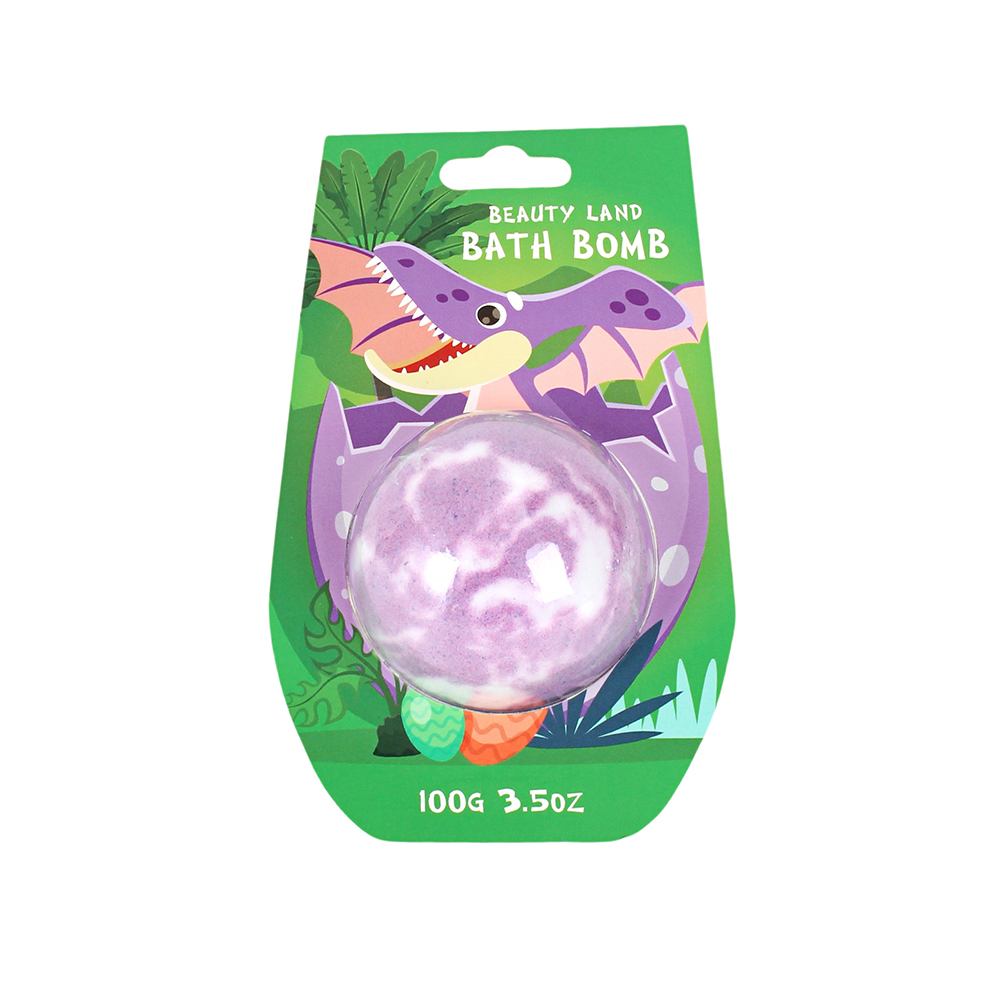
Both sodium bicarbonate and citric acid are highly hygroscopic. They actively pull moisture from the surrounding air. Humidity stands as the absolute greatest threat to your inventory. When moisture breaches the packaging, premature activation occurs. The product develops unsightly warts, loses its smooth texture, and ultimately fails to fizz when the consumer uses it.
Evaluating a supplier requires inspecting their warehouse and transit humidity control protocols. A credible facility maintains a relative humidity below 40% in their drying and packing rooms. If a factory lacks commercial dehumidification systems, their products will degrade rapidly during transit, especially in marine freight containers.
Proper packaging acts as the primary moisture barrier. Tight polyolefin (POF) shrink wrap currently offers the best defense against environmental humidity. It creates an airtight seal that drastically extends shelf life, often protecting the product for up to twelve months.
Many modern brands want eco-friendly packaging alternatives to reduce plastic waste. While biodegradable wraps, tissue paper, or cardboard boxes look appealing, they present significant trade-offs. Biodegradable cellulose films often possess a higher Water Vapor Transmission Rate (WVTR). This means moisture penetrates the barrier faster, reducing shelf life to mere weeks in humid climates. If you opt for sustainable packaging, consider foil pouches or ensure your supply chain moves fast enough to mitigate long-term stability risks.
Evaluating a bath fizzer supplier goes far beyond approving a golden sample. You must verify their capacity to scale. A factory might handcraft a perfect 50-unit sample but completely fail when executing a 10,000-unit wholesale run. Quality degradation during scaling usually stems from improper mixing equipment or rushed drying times.
Understand the equipment your supplier uses. Automated pressing machinery guarantees uniform density, consistent sizing, and rapid production. Hand-pressed methods work well for boutique orders but introduce high human error rates in bulk scenarios. Hand fatigue leads to softer products by the end of a shift.
Table 1: Comparison of Manufacturing Press Methods
Criteria | Automated Pressing Machinery | Hand-Pressed Methods |
|---|---|---|
Structural Density | High and uniform across all batches. | Variable; depends on operator fatigue. |
Weight Consistency | Excellent (+/- 2g to 5g variance). | Poor to Fair (often exceeds 5g variance). |
Scalability | Ideal for orders exceeding 5,000 units. | Limited; best for small boutique runs. |
Production Speed | Extremely fast, reducing lead times. | Slow, potentially causing supply chain delays. |
Never rely on verbal assurances regarding safety and compliance. You must request proper documentation before initiating a bulk order. Always ask for updated Material Safety Data Sheets (MSDS) for all raw materials used in your specific formulation. Furthermore, demand a Certificate of Analysis (COA) for the finished batch.
Verify that the factory adheres to Good Manufacturing Practices (GMP). Depending on your target market, ensure they possess documented FDA or EU cosmetic compliance. European cosmetic regulations (CPNP registration) are notoriously strict regarding colorants and allergens. A factory already compliant with EU standards generally operates at a much higher quality tier.
Do not rely solely on the initial "golden sample" sent by the sales team. These samples are often meticulously crafted by head engineers, not the standard assembly line workers. Instead, request a random pull from an existing bulk run they recently manufactured for another client. This gives you a true representation of their everyday production quality.
Conduct your own stress tests before signing any Annual Contract Value (ACV) agreement. Set up a simple humidity test by placing a sample in a steamy bathroom for 48 hours. Perform the drop test to check structural resilience. Finally, execute a dissolution test in warm water, carefully timing the fizz duration and checking for any residual tub rings.
Moving a supplier from "under evaluation" to an "approved vendor" requires checking off specific performance metrics. Use the following criteria as your final checklist.
Table 2: Final Vendor Approval Checklist
Evaluation Category | Pass/Fail Criteria |
|---|---|
Physical Integrity | Survives a 3-foot drop test without shattering. Weight variance is within +/- 5g. |
Dissolution Performance | Vigorous fizzing lasts 3-5 minutes (for a 100g unit). No sinking or clumping. |
Residue & Staining | Zero permanent staining on tub walls. No slippery oil slicks left behind. |
Documentation | Supplier provides current MSDS, COA, and proof of GMP certification upon request. |
Packaging Quality | Shrink wrap is tight, fully sealed, and free of moisture-breaching micro-tears. |
Sourcing success relies entirely on inspecting what lies beneath the surface. You must evaluate chemical formulations, structural density, and packaging resilience, rather than just admiring a pretty color. A rigorous testing framework protects your brand from costly transit damage and negative customer reviews. Moving forward, prioritize suppliers who offer transparent manufacturing data and demonstrate strict moisture controls in their facilities. Implementing these inspection protocols ensures you build scalable, profitable product lines with partners who prioritize lasting quality.
A: A properly manufactured and tightly shrink-wrapped unit typically boasts a shelf life of 6 to 12 months. However, ambient humidity heavily dictates this window. If stored in a damp warehouse without proper climate control, the ingredients will absorb moisture and degrade within just a few weeks.
A: Cracking usually occurs due to excessive moisture during the initial drying phase at the factory. Sudden temperature changes during transit also cause the internal ingredients to expand and contract rapidly. This thermal shock fractures the outer shell, leading to unsightly cracks upon delivery.
A: Yes, many capable suppliers manufacture both. However, a bath shower steamer requires a significantly different formulation. Shower steamers need higher essential oil loads for aromatherapy and demand slower dissolution rates. You must separately vet their ability to properly formulate and press steamers, as the binding agents differ.
A: Tub staining happens when a substandard manufacturer omits necessary emulsifiers, specifically Polysorbate 80. Without this binding agent, colorants and micas float directly to the edge of the water instead of mixing safely. Additionally, the use of non-water-soluble heavy pigments rather than approved dyes frequently causes permanent tub rings.


