
Views: 0 Author: Site Editor Publish Time: 2026-09-03 Origin: Site
Post-shipment defect discovery creates absolute nightmares for brand founders. Finding flaws after releasing final payment leads to unsalable inventory and delayed product launches. It also heavily compromises consumer trust in a highly competitive market. Once goods leave the factory floor, your leverage as a buyer drops significantly. Unscrupulous manufacturers might refuse returns or ignore your messages entirely. Implementing a rigorous Pre-Shipment Inspection (PSI) protocol changes this dynamic completely. This process ensures your final merchandise matches pre-production samples perfectly. It also guarantees compliance with critical regulatory standards before you release final funds. We designed this guide to provide a verifiable, step-by-step evaluation framework. You will learn exactly how to audit shipments effectively. We cover detailed formulation checks, stringent packaging stress tests, and smart supplier management tactics. Protect your financial investment by catching costly issues before they ever leave the loading dock.
Establishing rigid, documented specifications early is the only way to enforce pre-shipment quality standards.
Visual inspections are insufficient; mandatory testing must include pH validation, viscosity checks, and packaging stress tests.
Utilizing an Acceptable Quality Limit (AQL) framework eliminates subjective arguments with your supplier over minor versus major defects.
Independent, third-party quality control (QC) is highly recommended over relying solely on the manufacturer’s internal reports.
Inspection remains impossible without a granular reference point. You cannot hold a factory accountable to vague expectations. Establishing clear private label hair care set specifications provides the definitive baseline for your entire quality control process. You need documented proof of what you agreed upon before mass production begins.
You must seal and sign a pre-production sample (PPS) alongside your manufacturer. We call this the "Golden Sample." It serves as the absolute baseline for all subsequent mass production runs. The factory keeps one signed sample. You keep the identical counterpart. Inspectors will visually and physically compare final production units directly against this Golden Sample. Without it, factories can easily claim a flawed batch represents standard variation.
Natural ingredients cause slight variations across different batches. You must document the acceptable variance in color, scent profile, and texture. Detail these tolerances clearly in your quality control checklist. A botanical shampoo might range from pale yellow to light amber. Define the exact Pantone shades accepted. State how strong the fragrance should smell upon application. Setting these boundaries prevents unnecessary rejections while maintaining brand consistency.
Factories sometimes substitute premium ingredients for cheaper alternatives to widen their margins. You must ensure the actual raw materials match your approved formula. Verify the active ingredient percentages carefully. This step remains crucial when producing a high-end custom private label hair care set. Demand batch manufacturing records during the inspection. Cross-reference these records against your original BOM to confirm complete accuracy.
Best Practices for Benchmarking:
Update your Golden Sample every 12 months to account for ingredient aging.
Store your reference samples in a temperature-controlled environment away from direct sunlight.
Require the factory manager's signature on all physical reference units.
Ensuring the liquid product inside the bottle is stable and safe is paramount. Visual checks barely scratch the surface of proper quality control. You must analyze the chemical integrity of the formulation. Inspectors need to verify safety, consistency, and performance metrics.
Organoleptic testing standardizes visual, olfactory, and tactile checks against the approved baseline. Inspectors look for phase separation, off-odors, or strange discoloration. They rub the product between their fingers to check for unexpected grittiness. If a conditioner feels tacky instead of smooth, it fails the evaluation.
Organoleptic Testing Standard Parameters
Testing Parameter | Methodology | Acceptable Output | Rejection Trigger |
|---|---|---|---|
Visual Appearance | Compare directly against Golden Sample under daylight bulbs. | Uniform color, no separation. | Cloudiness in clear formulas, distinct layering. |
Olfactory (Scent) | Waft testing from 2 inches away from the rim. | Matches approved fragrance profile. | Chemical, rancid, or overly synthetic undertones. |
Tactile (Texture) | Apply 2 grams to skin and rub uniformly. | Smooth, consistent slip and spreadability. | Grainy particles, excessive stickiness, or wateriness. |
On-site inspectors must measure pH levels during the visit. A balanced pH remains crucial for scalp health and cuticle closure. Standard shampoos generally require a pH between 4.5 and 5.5. Inspectors also test viscosity using a viscometer. Viscosity determines the thickness of the liquid. If the formula is too thin, it runs through the customer's fingers. If it is too thick, it clogs the pump mechanism. Consistent viscosity ensures reliable batch performance.
Inspectors pull random samples to check net weight and liquid volume. You must establish sampling tolerances to prevent under-filling. Under-filling violates strict consumer protection laws and invites class-action lawsuits. Conversely, over-filling causes severe leakage during transport. Inspectors weigh the empty bottle (tare weight) and the filled bottle to calculate exact product volume. They compare these figures against the stated label claim.
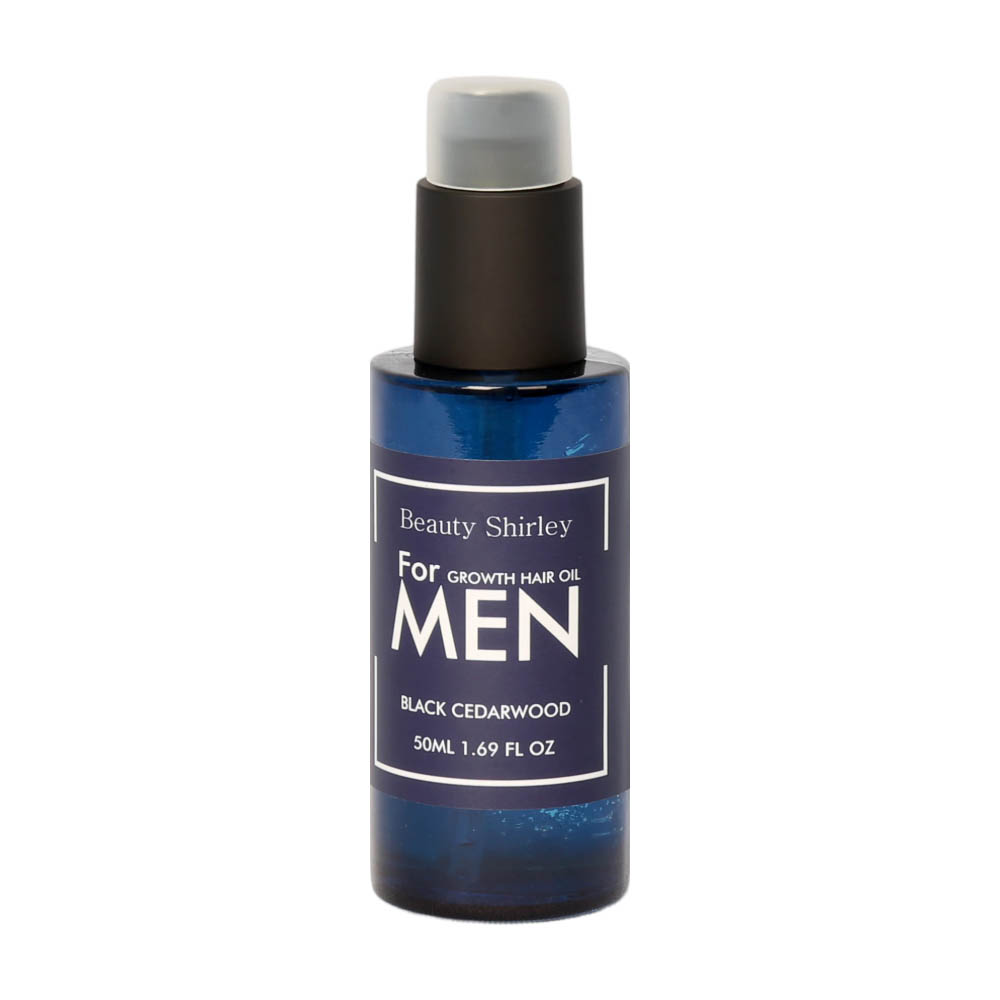
Premium aesthetics and functional durability are non-negotiable for a salon retail private label hair care set. Customers judge your brand the moment they hold the bottle. Broken pumps and leaked fluids instantly destroy perceived value. You must simulate transport stress before approving the shipment.
Inspectors must test the prime strokes of every sampled pump. They count how many pumps it takes to dispense the first drop of product. Usually, three to five strokes represent the industry standard. They also check for internal spring failure, clogging, and directional spraying. A faulty dispenser ruins the entire user experience, regardless of formula quality.
Liquid hair care products frequently leak during air freight due to atmospheric pressure shifts. The vacuum leak test simulates these exact air pressure changes. Inspectors place sealed bottles inside a water-filled vacuum chamber. They apply negative pressure. If bubbles escape from the cap or pump collar, the seal is compromised. This mandatory test prevents catastrophic liquid damage during global transit.
You must verify primary and secondary packaging can survive warehouse handling. Inspectors follow ISTA (International Safe Transit Association) standards for drop testing. They evaluate how master cartons handle blunt force impact.
Standard Drop Test Sequence:
Drop the master carton flat on its most fragile base.
Drop the carton on its two shortest opposing edges.
Drop the carton on its two longest opposing edges.
Drop the carton directly onto its most vulnerable corner.
Open the master carton and inspect individual product boxes for internal crushing.
Inspect primary bottles for shattering, denting, or pump dislodgment.
Preventing customs seizures and protecting against liability requires absolute precision. Government agencies will confiscate entire shipments if labels lack mandatory compliance details. Label verification protects your company from forced recalls.
Inspectors cross-reference the printed label against the final formulation records. The ingredient list must follow strict INCI (International Nomenclature of Cosmetic Ingredients) formatting. The order of ingredients matters significantly. They must appear in descending order of concentration. You must ensure strict compliance for target markets, adhering to MoCRA rules in the US or EU CPNP regulations in Europe. A single misspelled botanical name can trigger customs delays.
Verify the legibility and accuracy of all printed tracking codes. Inspectors check the Period After Opening (PAO) symbols on every jar and bottle. They ensure lot numbers and manufacturing dates align with production records. Factories often use cheap ink for batch codes. Inspectors perform a simple tape test. They apply clear tape over the ink and rip it off quickly. If the ink lifts away, the printing process failed.
Every UPC or EAN code must scan correctly on the first attempt. Retailers and 3PL warehouses rely on seamless barcode ingestion. If barcodes fail to scan, retail partners hit brands with heavy financial chargebacks. Inspectors use digital scanners to verify code readability across different angles and lighting conditions.
Common Labeling Mistakes:
Placing barcodes too close to the curvature of a round bottle.
Forgetting to include the manufacturer's country of origin.
Using font sizes smaller than the federally mandated minimums.
Implementation realities require navigating pushback and enforcing contractual terms. You must manage your private label hair care set supplier firmly but professionally. Clear communication regarding defect thresholds prevents emotional arguments on inspection day.
You must standardize defect thresholds before placing a purchase order. The Acceptable Quality Limit (AQL) framework dictates exactly how many flaws trigger a total shipment rejection. Defects fall into three distinct categories: Critical, Major, and Minor.
Standard AQL Defect Classification
Defect Type | Definition | Standard Limit | Examples |
|---|---|---|---|
Critical | Poses a health risk or violates federal regulations. | 0.0 | Bacterial contamination, missing INCI labels, unsafe pH. |
Major | Renders the product unsalable or unusable. | 1.5 | Broken pumps, leaking bottles, incorrect formulation color. |
Minor | Noticeable aesthetic flaw but product remains usable. | 4.0 | Slight label misalignment, minor scuffs on the carton. |
If the inspector finds a single critical defect, the entire batch fails immediately. This objective mathematical approach eliminates supplier arguments over what constitutes a "good enough" private label hair care set.
Relying on factory-provided reports poses immense risks. Internal quality control teams work for the manufacturer, not for you. They have a vested interest in passing marginal batches to clear warehouse space. We highly recommend hiring an independent inspection agency like SGS, QIMA, or specialized local equivalents. Third-party agencies provide unbiased, photographic evidence of your inventory before you release payment.
You must determine what happens when a batch fails inspection. Negotiate these terms before signing the initial contract. Establish clear rework protocols. Who pays for the replacement materials? Who covers the cost of a second inspection? Standard practice dictates the manufacturer pays for sorting, reworking, and re-inspection if the goods fail the initial AQL audit. Lock these stipulations into your initial purchase agreement.
A stringent inspection protocol shifts financial risk back to the manufacturer prior to the final balance payment. You cannot afford to discover broken pumps, separated formulas, or compliance failures after the inventory arrives at your warehouse. By defining strict baseline specifications and mandating independent verification, you protect your brand's reputation and your bottom line.
Finalize your granular specification sheet and sign a Golden Sample before mass production begins.
Include specific testing requirements—like vacuum leak tests and pH audits—directly in your purchase order.
Hire a third-party agency to execute the AQL inspection on the factory floor.
Hold all shipment authorizations and final wire transfers until the detailed QC report clears your desk.
A: Inspections generally occur at two distinct stages. During Production Inspection (DUPRO) happens when 20% of goods are finished, catching foundational defects early. Pre-Shipment Inspection (PSI) occurs when goods are 80-100% packed and ready for transport. PSI serves as the final gateway before payment release.
A: No. On-site QC cannot replace formal laboratory stability testing, which involves incubating products for weeks or months. However, inspectors can identify immediate phase separation, chemical contamination, or rapid discoloration that indicates a fundamentally flawed manufacturing batch.
A: Standard industry practice dictates the buyer pays for the initial third-party inspection to ensure complete neutrality. If the shipment fails the AQL audit, the supplier remains financially responsible for all subsequent re-inspections required after they complete the necessary rework.
A: If minor defects breach the mathematical limit, the buyer holds the right to reject the entire shipment. You can demand the factory manually sort and replace the defective units. Alternatively, you can negotiate a financial discount based on the severity of the accepted flaws.


