
Views: 0 Author: Site Editor Publish Time: 2026-09-10 Origin: Site
Sourcing the right cosmetic formulation for your retail brand requires more than just testing for a pleasant scent. It demands rigorous physical, chemical, and commercial evaluation from day one. Whether you are transitioning to a new private label manufacturer or expanding an existing body care line, systematically comparing samples serves as a critical risk-mitigation step. Evaluating product stability, daily user experience, and operational capabilities prevents costly market recalls. It also protects your brand from lasting customer dissatisfaction.
Skipping these evaluation steps often leads to disaster. You might discover oils separating on retail store shelves. You might encounter unusable, hardened textures months after production. To make a confident, data-driven purchasing decision, you need a standardized evaluation framework. We will show you how to effectively evaluate physical attributes. You will learn to test final packaging compatibility accurately. We will also help you measure manufacturing partner reliability. By the end, you will understand how to identify formulation red flags before signing any purchase orders.
Determining demographic pain points remains your very first step. Younger consumers often seek heavy physical exfoliation for glowing skin. In contrast, older demographics usually prioritize gentle hydration to protect fragile moisture barriers. You must match the sample directly to these exact consumer needs. Spa clients expect luxurious, lingering aromas. Clinical skincare buyers prefer unscented, dermatologist-tested profiles. Pinpoint your exact audience before opening a single sample jar.
You must clarify the baseline format you are testing. Brands generally choose between oil-based, emulsified, gel-based, or dry scrub formats. Each distinct category behaves differently on human skin. Formulations hold unique shelf-life requirements. Categorizing your samples early prevents unfair comparisons. You cannot accurately compare a heavy salt-and-oil mixture against a lightweight foaming gel. Establish clear baseline expectations for each specific format.
Body Scrub Formula Categorization
| Formula Format | Key Characteristics | Ideal Consumer Profile |
|---|---|---|
| Oil-Based | Heavy oils mixed directly with raw exfoliants. | Extremely dry skin needing maximum moisture retention. |
| Emulsified | Turns milky upon water contact. Rinses clean. | Everyday users preferring no slippery shower residue. |
| Gel-Based | Lightweight, water-based suspension of fine particles. | Oily or acne-prone skin types requiring gentle wash. |
| Dry Scrub | Loose powder activated by adding water at home. | Eco-conscious buyers seeking preservative-free options. |
Highlighting financial risks matters immensely during the sampling phase. Bypassing rigorous sample testing creates massive business liabilities. Oil formulas frequently separate on warm retail shelves. This separation looks highly unappealing to buyers. Microbial growth can ruin entire batches stored in wet bathroom environments. Unstable fragrances can shift from floral notes to rancid smells in weeks. You must actively prevent these costly disasters early in your sourcing phase. Fixing a bad formula post-production ruins profit margins permanently.
Examine the exfoliant grade carefully when evaluating body scrub specifications. Measure the grit size and physical shape. Manufacturers frequently use sugar, coarse sea salt, or ground coffee. Sustainable synthetics and botanicals also work exceptionally well. Compare your samples against a highly standardized baseline, like the bl25019 eco body scrub profile. Uniform particle sizes ensure consistent exfoliation.
Check the sample for any abrasive edges under strong light. Jagged particles, like crushed walnut shells, frequently cause micro-tears in the skin. Reject overly sharp exfoliants immediately. Opt for perfectly spherical jojoba beads or gently milled sugars to guarantee dermal safety.
Evaluate formulation viscosity thoroughly. How does the product hold together inside the container? Does oil pool heavily at the top? You want a cohesive, stable mixture. If you must stir the product vigorously before every use, consumers will complain. High-quality formulas maintain their suspension indefinitely.
Next, test the actual wash-off experience. Emulsified formulas should turn milky immediately upon contact with warm water. Water activates the binding agents perfectly. Users should feel deeply hydrated but entirely clean. Emulsified samples must leave absolutely no greasy residue behind on the skin or shower floor.
Verify your scent load accurately. Essential oils and synthetic fragrances must remain highly stable. Expose your approved sample to open air for several days. Monitor the scent retention over this specific time period. Weak fragrances disappear entirely after opening. Unstable fragrances oxidize, creating an unpleasant chemical odor. A premium formulation holds its initial aroma consistently from the first scoop to the last.
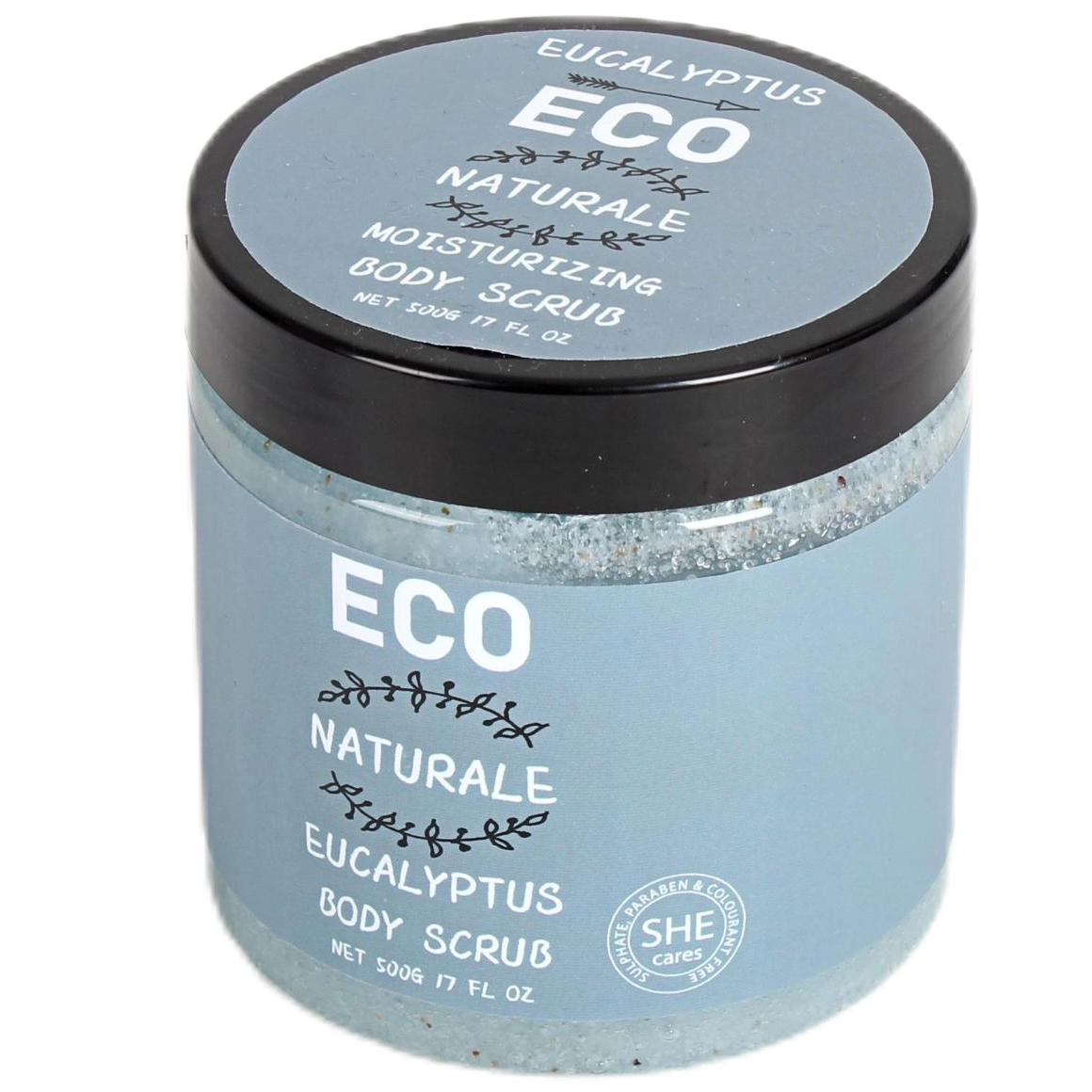
Temperature abuse testing remains strictly non-negotiable. Cycle your selected samples through extreme heat and freezing cold. Place them inside a 45°C incubator for two days. Move them directly into a commercial freezer next. This harsh process simulates global shipping conditions accurately. Reject any samples showing permanent chemical separation. Reject formulas losing their original whipped or gelled texture. Strong formulas recover their shape quickly at room temperature.
Evaluate water-introduction risks carefully. Consumers use body scrub directly inside wet showers. Tap water easily enters the open jar during daily use. Therefore, you must evaluate the preservative system thoroughly. Unpreserved water breeds dangerous bacteria rapidly. Request formal Challenge Test data directly from the manufacturer. Valid testing follows rigorous international standards like ISO 11930. Formulas failing microbial challenge tests pose severe health hazards.
Check final packaging compatibility meticulously. Test the sample inside your exact intended retail packaging. Fill your chosen PET jars or flexible squeeze tubes completely. Look closely for potential chemical reactions over a month. Heavy oils might leach slowly through thin plastics, ruining labels. Furthermore, exfoliant grains frequently clog standard flip-top caps. Ensure the closure mechanism tolerates gritty textures without failing or leaking.
Evaluate your body scrub supplier thoroughly before proceeding. Ensure the manufacturer provides complete and accurate documentation. You need updated Safety Data Sheets (SDS) immediately. Request Certificates of Analysis (COAs) to verify batch purity. Demand perfectly clear INCI ingredient lists for label compliance. Transparent suppliers hand over these documents without hesitation. Missing paperwork signals severe operational incompetence.
A fantastic physical sample means nothing without true scalability. You must verify if the manufacturer can scale production smoothly. Compare their Minimum Order Quantities (MOQs) closely. Some require 500 units, while others demand 10,000. Ask for strict batch-to-batch consistency guarantees in writing. Clarify their standard production turnaround times. Long lead times will destroy your seasonal marketing campaigns completely.
Understand formula customization limits clearly. Clarify if the provided sample remains a strict stock formula. Can you make minor modifications easily? Changing the scent profile or adding botanical color might trigger massive R&D fees. Adding trendy active ingredients often shifts a simple white-label product into custom manufacturing. Custom manufacturing increases your initial investment significantly. Establish these financial boundaries during the initial sample review.
Conduct blind panel testing to gather unbiased data. Distribute your short-listed samples to a diverse group. Hide all brand names, packaging styles, and price information.
This organized strategy gathers pure, uninfluenced user-experience data. Consumers often spot minor texture flaws immediately.
Perform a strict margin analysis next. Calculate the total landed cost per ounce for every approved sample. You must include all secondary packaging, custom labeling, and inbound freight expenses. Compare this comprehensive final cost against your exact target retail price. A luxurious sample might feel incredible on the skin. However, if it destroys your profit margin, it fails the commercial test. Balance premium formulation quality with sustainable business profitability.
Plan your formal next-step actions carefully. Move systematically from final sample approval to a limited pilot run. Negotiate strict purchasing terms and payment structures early. Sign comprehensive Non-Disclosure Agreements (NDAs) before sharing proprietary trade secrets. Finalize the initial purchase order meticulously. Ensure the PO reflects the exact formula specifications you approved during testing.
A: We recommend at least 2 to 4 weeks of dedicated testing. You must include extreme temperature cycling and daily shower use simulations. Monitor the physical sample closely for any oil separation, mold growth, or scent degradation over this extended period.
A: Emulsified scrubs contain specific binding agents combining raw oil and water. They turn milky instantly and rinse away completely clean. Conversely, non-emulsified scrubs remain simple oil-and-exfoliant mixtures. These basic formulations frequently leave a heavier, sometimes slippery residue on human skin and shower floors.
A: You must request several essential technical documents immediately. Ask for the full INCI ingredient list for accurate labeling. Request the most recent Safety Data Sheet (SDS). You also need detailed wholesale pricing tiers and accurate estimated lead times for full-scale commercial production.


