
Views: 0 Author: Site Editor Publish Time: 2026-09-14 Origin: Site
Consumer demand for natural, botanical-based self-care products continues to surge globally. Shoppers actively seek wholesome ingredients for their daily routines. Honey stands out as a proven, high-converting ingredient in the skincare market. It offers exceptional humectant properties and a premium, comforting aesthetic. However, not all bulk bath items offer the same quality. Retailers and corporate buyers face real risks in this category. You might encounter synthetic formulations masquerading as natural products. You could receive poor packaging prone to transit damage. Short shelf lives can easily erode your margins and destroy brand trust. Buyers need reliable, high-quality products to succeed in a competitive retail landscape. This article provides a comprehensive blueprint. You will learn how to source or assemble a profitable, high-quality wholesale honey bath set. We cover essential components, ingredient integrity, and smart packaging choices. Our guide helps you drive sell-through and secure loyal repeat purchases.
A premium honey bath set must balance high-perceived-value items (bath bombs, scrubs) with daily-use staples (body wash and lotions).
Ingredient transparency is non-negotiable; verifying real honey (INCI: *Mel* or *Honey Extract*) versus synthetic fragrances prevents customer dissatisfaction.
Packaging durability directly impacts wholesale ROI; components must survive bulk shipping without leaking or degrading.
Evaluating a supplier requires checking Minimum Order Quantities (MOQs), Good Manufacturing Practice (GMP) compliance, and private-label flexibility.
Creating a bestselling product requires a strategic mix of items. You must combine everyday utility with luxurious spa experiences. A well-rounded kit encourages both immediate gifting appeal and long-term product usage.
A foundational body wash and lotion set anchors your entire product offering. It drives daily utility and ensures high customer retention. These are the items consumers empty first and reorder most often.
Body Wash/Shower Gel: Viscosity matters deeply when formulating shower gels. When introducing honey, the gel must lather richly and consistently. It should cleanse thoroughly without stripping natural skin oils. Consumers expect a smooth, luxurious texture. Proper formulation keeps the honey suspended evenly throughout the liquid. This prevents separation inside the bottle over time.
Body Lotion/Butter: Moisture retention requires excellent humectants and emollients working together. Honey draws moisture into the skin naturally. Pair it alongside heavy emollients like shea butter or sweet almond oil. This combination locks hydration in completely. We find this dual approach guarantees visibly softer skin. Your honey body care set quickly becomes a daily necessity for the end user.
Bath-specific items elevate basic toiletry bundles into premium gifts. They deliver a sensory, relaxing spa ritual. These additions often seal the deal for holiday shoppers.
Honey Bath Bombs/Truffles: They offer massive visual and aromatic appeal. A good bath bomb fizzes smoothly upon hitting the water. It releases warm, sweet honey scents instantly. They turn a standard bath into a luxurious soak.
Sugar & Honey Scrubs: This acts as the crucial exfoliation component. It completes the entire home spa ritual perfectly. Sugar sloughs off dead skin cells gently. Honey soothes and repairs the fresh skin underneath.
Do not ignore the psychological impact of the unboxing experience. Include low-cost, high-value tactical items to delight the buyer. Wooden honey dippers look incredibly charming inside the box. Natural loofahs add practical exfoliation value to the shower gels. Exfoliating mitts make the kit feel much more comprehensive. They enhance the overall retail presentation greatly without adding massive production costs.
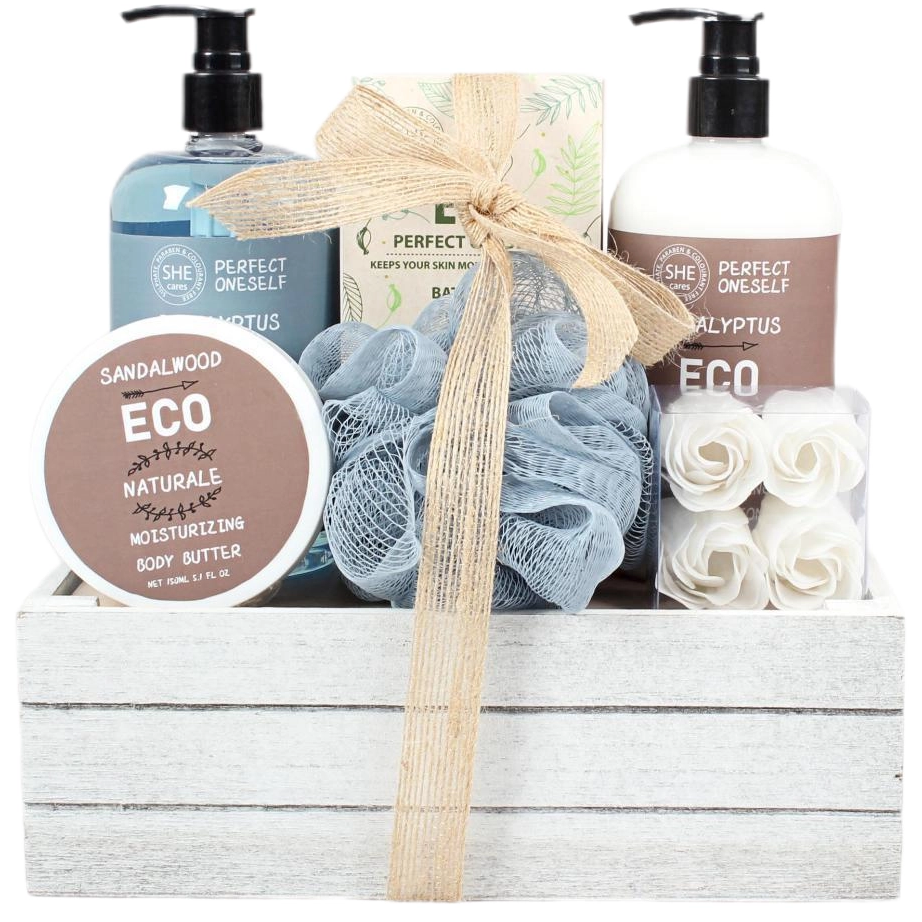
Ingredient transparency builds brand loyalty faster than any marketing campaign. Modern consumers read labels closely. You must ensure your products contain genuine botanical benefits.
Buyers must audit supplier ingredient lists carefully before ordering. Do not accept generic labels blindly. Look for actual honey derivatives on the specification sheet. You want to see INCI terms like Mel or Honey Extract. Avoid products listing only "Parfum" or "Fragrance" to mimic a honey scent. Artificial scents disappoint discerning customers quickly. Real ingredients justify a premium price tag and deliver actual skincare benefits.
Many wholesale buyers feel skeptical about natural ingredients. Real honey introduces natural sugars into the cosmetic formula. Sugars can encourage rapid microbial growth if left unchecked. You need robust, cosmetic-grade broad-spectrum preservatives here. They prevent bacteria, yeast, and mold effectively. Good Manufacturing Practice (GMP) compliance is absolutely critical. We always advise checking microbiological testing reports from your manufacturer.
Common Mistake: Relying on weak, "all-natural" preservatives for high-sugar formulas often leads to spoiled inventory and costly recalls. Always prioritize clinical safety over marketing buzzwords.
Synergistic ingredients boost your retail price point easily. They make the formula much more effective for the skin. Consider adding colloidal oatmeal for soothing irritated or dry skin. Milk proteins provide rich, creamy hydration alongside the honey. Sweet almond oil delivers essential fatty acids and vitamins. These additions create a highly compelling, multi-benefit marketing story.
Ingredient Profile Comparison
Botanical Component | Natural Benefit | Common Synthetic Alternative | Risk of Alternative |
|---|---|---|---|
Real Honey (Mel) | Natural humectant, antibacterial properties | Synthetic Honey Fragrance Oil | No skincare benefits, potential allergen |
Colloidal Oatmeal | Soothes inflammation, reduces redness | Artificial thickeners | Clogs pores, lacks soothing properties |
Sweet Almond Oil | Provides deep moisture, rich in Vitamin E | Mineral Oil / Petroleum | Sits on skin surface, unsustainable sourcing |
Consumer safety expectations remain higher than ever today. You must source from compliant, ethical suppliers exclusively. Avoid parabens completely to satisfy modern clean-beauty standards. Steer clear of harsh sulfates like SLS or SLES. Exclude phthalates from your fragrance blends entirely. Safe formulas protect your brand reputation long-term. They also open doors to selling in strict retail environments.
Your product presentation determines its perceived value instantly. Packaging also dictates how well the items survive complex supply chains.
Packaging impacts both luxury appeal and wholesale logistics directly. Glass jars look undeniably premium and highly sustainable. However, they weigh more and break easily during transit. PET plastic offers excellent shipping durability instead. It lowers freight costs for bulk bath gifts significantly. High-quality PET mimics glass very well today. We recommend thick-walled PET for heavy liquid formulations. It balances aesthetics with structural safety perfectly.
Structural integrity dictates the success of a bath gift box. You must prevent product shifting during long transit routes. Customers share unboxing videos constantly online. A messy, broken box damages your brand image immediately.
Inserts: Die-cut inserts hold bottles and jars tightly in place. Crinkle paper offers a rustic, flexible alternative for oddly shaped items. Both prevent costly breakage beautifully.
Outer Packaging: Retail shelves demand strict security measures. Shrink-wrapping protects the entire box tightly from dust and tampering. Tamper-evident seals show buyers the product remains pristine inside. Choose the option matching your specific retail environment.
Wholesale kits must meet strict legal requirements globally. Follow FDA or regional cosmetic labeling rules closely. Declare the net weight accurately on the front display panel. List all ingredients in descending order of concentration on the back. Include your distributor or brand contact information clearly. Non-compliant labels cause massive customs delays. They also invite regulatory fines. Partnering with experienced manufacturers ensures your labels meet all legal standards.
Sourcing exceptional products means nothing if the math fails. You need reliable partners and sustainable profit margins to scale your business.
Minimum Order Quantities affect your cash flow heavily. High MOQs tie up capital fast. We advise starting with lower MOQs initially. Use smaller batches for regional market testing. Validate customer demand before committing to large-scale freight shipments. Scalability requires smart, steady inventory growth. A good supplier scales production alongside your brand smoothly.
You must evaluate wholesale costs against your Target Retail Price (MSRP). Liquid cosmetics carry heavy shipping weights naturally. Calculate your fully landed costs accurately. Include the product price, outer packaging, inserts, and total inbound freight. Ensure your target profit margins are actually attainable. Many new buyers forget to factor in heavy liquid shipping rates. This simple oversight destroys anticipated profits quickly. Always calculate the final landed cost per unit.
Vetting manufacturers protects your investment directly. Watch out for these warning signs during negotiations:
Refusal to provide sample kits: You must test the texture and scent personally.
Lack of MSDS documents: Material Safety Data Sheets prove the formula is safe and stable.
Inconsistent communication: Slow replies often indicate disorganized production floors.
Vague lead times: You need precise delivery windows to plan seasonal retail launches.
Avoid unreliable suppliers entirely. They cost you money, time, and customer goodwill.
White-label products offer ready-to-sell convenience for fast launches. You buy pre-made sets and start selling them immediately. Private-label options provide custom branding flexibility instead. You design the packaging and tweak the formula to match your brand ethos. Private labeling requires higher MOQs generally to cover custom printing runs. However, it builds long-term brand equity perfectly. Choose the model fitting your current business size and goals.
A successful wholesale honey bath set relies on a highly strategic product mix. You need everyday staples paired with luxurious experiential add-ons. Verifiable ingredients matter deeply; real honey and safe preservatives protect your customers and your reputation. Furthermore, durable packaging ensures your products survive shipping while looking beautiful on the shelf. Smart supplier vetting guarantees you maintain healthy margins and scalable growth.
Your next step requires active supplier engagement. Reach out to shortlisted manufacturers today. Request product sample kits to test the formulation quality firsthand. Ask for complete ingredient specification sheets and MSDS documents. Validate their MOQs and lead times before placing your first bulk order.
A: Properly formulated and preserved honey cosmetics typically offer a 12- to 24-month shelf life. The inclusion of natural sugars requires robust preservatives to maintain stability. Advise buyers to always ask suppliers for specific expiration dating and microbiological testing reports.
A: Yes. Most manufacturers offer private labeling for existing bath gift boxes. They allow you to apply your own logos and brand colors. Keep in mind this usually requires higher MOQs. The factory must cover custom packaging and label printing runs efficiently.
A: Liquids are inherently heavy. High shipping weights increase freight expenses significantly. Advise buyers to calculate fully landed costs, which include the product price plus all freight charges. Relying just on unit costs can be misleading. Calculating landed costs ensures target profit margins are actually attainable.


