
Views: 0 Author: Site Editor Publish Time: 2026-09-26 Origin: Site
Packaging for private label cosmetics goes far beyond a simple aesthetic choice. It stands as a critical functional requirement for your business. The right vessel dictates product stability, influences shipping economics, and shapes brand perception. Choosing the wrong container introduces massive bottom-of-funnel risks. You might face rapid formula degradation. You could see leaked shipments ruin customer unboxing experiences. Broken unit economics often follow these bad packaging decisions, eroding your profit margins silently. Our guide provides a practical, supplier-agnostic framework. We designed this to help you evaluate, select, and source the perfect packaging. You will learn to match materials to specific formulations. We will explore viscosity-based dispensers and smart sourcing strategies. Ultimately, you will gain the knowledge needed to launch your body care line successfully and profitably.
Understanding unit economics is vital for long-term survival. Packaging weight directly impacts your final retail margins. Many founders gravitate toward heavy glass jars. They desire a premium, high-end look. However, glass increases freight costs exponentially. Shipping heavier pallets from a manufacturer eats into your margins. E-commerce shipping rates also spike when shipping heavy glass to consumers. You must calculate these hidden freight costs early. Utilizing lightweight private label body care packaging keeps your operational costs predictable.
Brand positioning often collides with wholesale reality. You must balance aesthetic aspirations against practical limitations. Wholesale buyers expect durable, shelf-stable products. They hate damaged goods. They refuse to stock items prone to breaking on retail shelves. An overly delicate package harms your wholesale relationships. You need robust vessels capable of surviving rough transit. A beautiful bottle means nothing if it leaks during delivery.
Supply chain vulnerability remains a massive threat to new brands. Custom, multi-part packaging requires coordinating multiple specialized vendors. You might buy bottles from one factory and pumps from another. If the pump supplier faces a material shortage, your entire production halts. Complex packaging exponentially increases your risk of stockouts. Standard stock options reduce this vulnerability drastically. They offer consistent availability and shorter lead times. Relying on standardized packaging ensures you never miss a vital sales quarter.
You must match your packaging materials strictly to your formulation. Certain active ingredients weaken cheap plastics over time. The wrong material choice causes paneling, leaching, or total vessel collapse. We strongly advise reviewing your private label body care specifications with a packaging engineer.
PET (Polyethylene Terephthalate) serves as the industry standard. It works perfectly for body washes and light lotions. PET remains lightweight and highly shatterproof. It offers exceptional clarity for showcasing colorful gels. However, PET does not tolerate high heat well during the filling process.
HDPE (High-Density Polyethylene) provides superior chemical resistance. We recommend it for formulas containing highly active ingredients. Products with high essential oil concentrations demand HDPE. Essential oils can slowly melt standard PET. HDPE is opaque, rigid, and incredibly durable. It protects sensitive formulas from UV light degradation.
Glass works beautifully for premium brand positioning. Facial oils, heavy serums, and luxury creams look stunning in glass. But glass introduces severe logistical challenges. It requires rigorous transit drop-testing. It also substantially increases inbound and outbound shipping costs. You must pack glass carefully to prevent massive breakage rates.
PCR (Post-Consumer Recycled) plastics offer a highly sustainable choice. Consumers increasingly demand eco-friendly options. However, PCR can interact differently with complex chemical formulations. The recycling process introduces microscopic impurities into the plastic. You must absolutely request historical stability data from your suppliers. Never assume PCR behaves identically to virgin plastic.
Formulation compatibility testing stands as a non-negotiable step. You must conduct a 12-week stability test in the final packaging. The lab places the filled units into elevated temperature ovens. This simulates a year of shelf life. For instance, if utilizing a standardized stock formula—such as a specific private label body care,bl25004 hb honey body lotion body—you must verify compatibility. You must ensure the honey extract and active preservatives do not degrade the chosen plastic over time.
Packaging Material Comparison Guide
| Material Type | Best Suited For | Key Advantages | Common Limitations |
|---|---|---|---|
| PET | Body washes, light lotions | High clarity, lightweight | Poor resistance to pure essential oils |
| HDPE | Active ingredients, thick creams | Highly chemical-resistant, opaque | Lacks transparency |
| Glass | Luxury oils, premium serums | Premium feel, impermeable | Heavy, fragile, expensive freight |
| PCR | Eco-friendly product lines | Sustainable, marketable | Variable stability, color inconsistencies |
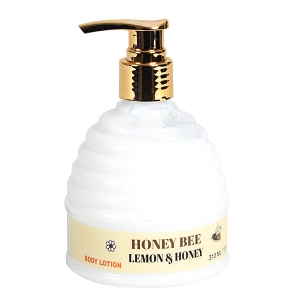
Your product's viscosity dictates your ideal dispensing mechanism. Founders frequently make the mistake of choosing closures based on visual appeal alone. A beautiful pump fails completely if the lotion is too thick to move through it. You must match the closure to the fluid dynamics of your product.
Selecting the right closure prevents consumer frustration. It also protects your body care items from contamination.
Your packaging sourcing strategy determines your launch speed and capital requirements. Choosing how to procure empty vessels is a major operational decision. You must carefully evaluate your private label body care supplier to understand their capabilities.
You generally face two distinct procurement paths. The first is the All-in-One Turnkey approach. Here, you use the manufacturer's existing "ready-to-label" stock packaging. This path offers immense benefits for new brands. It guarantees mechanical compatibility with the factory's filling lines. Turnkey solutions offer the lowest possible MOQs. You enjoy the fastest lead times because the factory already holds the inventory.
The second path is Customer Supplied Packaging (CSP). In this model, you buy empty bottles from a specialized packaging wholesaler. You then ship these pallets to your filling factory. CSP offers limitless customization. You can select unique shapes and exclusive colors. However, it introduces significant logistical risks. If the supplier ships the wrong neck size, the factory cannot attach the caps. CSP also demands much higher MOQs to justify the custom runs.
Understanding MOQ tiers helps you manage your startup capital efficiently. Standard stock packaging supports highly agile launches. You can often find "no minimum" suppliers. Low-MOQ launches of 100 to 500 units rely entirely on these standard vessels. In contrast, custom manufacturing scales up quickly. Custom resin colors, unique plastic molds, or factory silk-screening require massive commitments. These unique options typically require 10,000 units or more upfront.
Finally, you must plan for Quality Assurance and Defect Rates. Manufacturing is never flawless. Automated filling lines generate setup waste. Factories discard units while calibrating the pump inserters. We call this the acceptable loss limit. You should always order five to ten percent more packaging than your target fill run. This buffer accounts for line rejections. It ensures you receive your exact desired yield of finished goods.
Selecting a bottle shape impacts your labeling strategy heavily. You must ensure the chosen vessel provides adequate label real estate. Complex curves or tapered bottles cause adhesive labels to wrinkle. You need a uniform, flat surface area. This space must be large enough for mandatory compliance text. Both FDA and EU regulations mandate specific font sizes. You must clearly display the ingredient list, net weight, and distributor information. This text must sit alongside your branding seamlessly.
You must also decide between silk screening and adhesive labels. Each method serves a different stage of brand growth.
Adhesive labels remain the best choice for evaluating market fit. They allow rapid, inexpensive formula or copy changes. If regulations change, you simply print new rolls. You do require high-quality materials. Specify oil-resistant and waterproof laminates. BOPP (Biaxially Oriented Polypropylene) prevents peeling and oil stains in humid bathrooms.
Silk screening applies ink directly onto the bottle. It looks permanent and feels highly premium. It eliminates the risk of peeling edges. However, it locks you into a specific design permanently. Any typo ruins the entire batch of bottles. Silk screening also requires significantly higher MOQs per SKU.
We recommend following a strict shortlisting logic when finalizing your choices:
Launching a successful body care brand requires strategic packaging decisions. For initial rollouts, we strongly advise prioritizing standardized PET or HDPE packaging. Sourcing these vessels directly from your filling partner mitigates logistical risks heavily. It speeds up your timeline and reduces your capital burden.
Your immediate next step is hands-on evaluation. Request physical packaging samples from your shortlisted suppliers. You must hold the bottles and test the pumps yourself. Ask for a comprehensive compatibility checklist from the lab before committing to a purchase order. Taking these calculated steps ensures your product looks premium, ships safely, and remains highly profitable.
A: Yes, this is called Customer Supplied Packaging (CSP). However, the supplier will require physical samples first. They must ensure their specific automated filling lines and capping machines are compatible with your unique vessel dimensions.
A: Standard stock PET bottles paired with adhesive waterproof labels (BOPP) are ideal. This proven combination allows for very low MOQs. It completely minimizes your upfront tooling and design costs while maintaining a professional appearance.
A: Specify pressure-sensitive liners for all jars. Request locking mechanisms or shrink-bands for pump dispensers. You must always conduct a standardized drop test and a vacuum leak test on your finalized units before authorizing full production.


