
Views: 0 Author: Site Editor Publish Time: 2026-08-27 Origin: Site
Sourcing a white-label or custom body wash requires a delicate business balance. You must constantly weigh unit economics against premium brand positioning. Strict regulatory compliance also demands your full attention. Unfortunately, many buyers evaluate finished samples purely subjectively. They focus heavily on immediate scent profiles or basic skin feel. They often fail to audit the underlying raw materials thoroughly. This critical oversight frequently leads to severe supply chain disruptions. It can also cause unexpected compliance failures or massive margin erosion.
We want to eliminate these procurement risks entirely. This guide provides a strict, objective evaluation framework for your sourcing strategy. You will learn exactly how to compare formulation ingredients side-by-side. We will explore various packaging material choices and their hidden costs. We will also outline the specific compliance documentation required before you sign any supplier contract.
Base formulation decisions on surfactant types (sulfate vs. sulfate-free) and active ingredients, as these dictate 80% of your product's performance and cost.
Packaging material choices (Virgin PET, PCR, Aluminum) must align directly with your brand's sustainability claims and shipping durability requirements.
Hotel and hospitality buyers must evaluate bulk dispensing compatibility and shelf-life stability differently than retail-focused brands.
Always require strict compliance materials (SDS, COA, ISO/GMP certifications) from your manufacturing partner before ordering samples.
Surfactants form the absolute core of any wash-off product. The cleansing base dictates the overall product performance entirely. Manufacturers use traditional sulfates heavily across the industry. Sodium Lauryl Sulfate (SLS) and Sodium Laureth Sulfate (SLES) dominate mass market products. They create high-foaming, highly cost-effective formulations. Sulfates strip oils efficiently but can easily irritate sensitive skin profiles. Alternatively, sulfate-free options offer lucrative premium brand positioning. Materials like Sodium Cocoyl Isethionate (SCI) or Coco-Glucoside appeal to conscious consumers. They cater perfectly to sensitive skin types and baby care lines.
A harsh trade-off reality exists within formulation chemistry. Sulfate-free materials increase your base formulation costs significantly. They also struggle to build thick viscosity naturally. You must often add synthetic or natural viscosity adjusters. This prevents an undesirable watery feel during shower application. Establishing clear private label shower gel specifications early prevents costly reformulations later.
Surfactant Material Comparison Chart
Surfactant Type | Common Ingredients | Foaming Profile | Cost Impact | Best Used For |
|---|---|---|---|---|
Traditional Sulfates | SLS, SLES | High, dense lather | Low | Mass market, deep cleansing |
Mild Anionics | Sodium Cocoyl Isethionate | Creamy, moderate lather | Medium to High | Premium, sensitive skin |
Non-ionics (Glucosides) | Coco-Glucoside, Decyl Glucoside | Low to moderate foam | High | Eco-friendly, baby care |
Brands differentiate themselves today through potent active ingredients. You should evaluate the inclusion of humectants carefully. Ingredients like Glycerin and Hyaluronic Acid draw ambient moisture into the skin. They support strong clinical hydration claims. Occlusives help lock this moisture inside the epidermal barrier. We recommend testing these specific combinations thoroughly in diverse climates.
Botanical extracts require rigorous chemical stability assessments. Natural materials behave unpredictably over extended periods. They can cause unexpected color shifting in clear packaging. They might also reduce the overall shelf life of the gel. Ensure your contracted chemists run accelerated stability tests. Common mistakes include adding high percentages of unrefined natural oils. This often leads to separated, cloudy formulas over time.
Water-based liquid products always need robust preservative systems. Traditional preservatives include Parabens and Phenoxyethanol. They provide excellent, reliable broad-spectrum protection against microbes. They remain highly cost-effective and chemically stable. However, modern consumer trends heavily favor natural alternatives. Eco-certified preservatives appeal strongly to the lucrative clean beauty market.
These natural options introduce significant business risks. Inadequate preservation in organic formulas frequently causes rapid mold growth. A public product recall destroys brand reputation almost instantly. You must verify preservative efficacy testing documents. Challenge testing proves the formula resists bacterial contamination. Address these risks directly before placing large purchase orders.
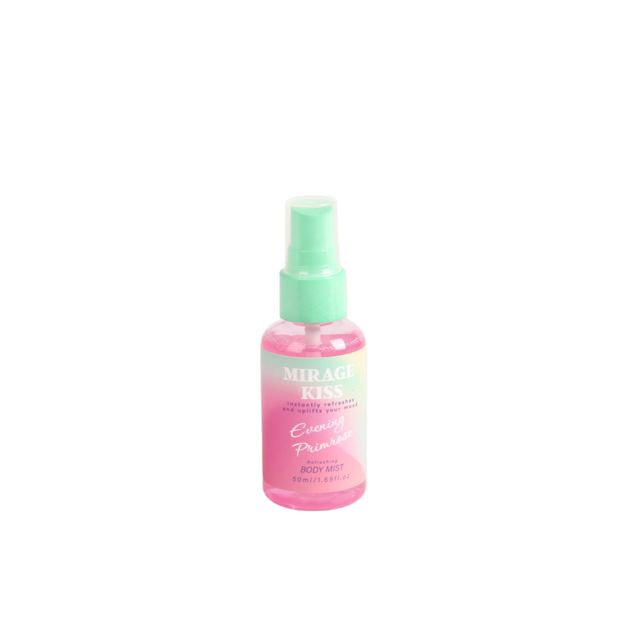
You have several primary substrate choices available. PET and HDPE remain universal industry standards. They offer excellent durability and very low unit costs. They resist shattering during rough pallet transit.
PCR (Post-Consumer Recycled) plastics actively support green brand initiatives. They are completely essential for modern sustainability claims. However, serious implementation risks exist here. High PCR percentages often create structural brittleness. You might also notice severe color inconsistencies across different production batches. We recommend blending PCR and virgin plastic carefully to maintain integrity.
Glass and Aluminum deliver immediate premium market appeal. They feel incredibly heavy and luxurious to consumers. Implementation risks severely limit their broad practicality. Glass poses serious safety hazards in wet shower environments. Both alternative materials drastically increase outbound shipping weights. They also elevate transit breakage costs considerably. You must evaluate a custom private label shower gel packaging strategy based on your specific distribution channels.
Closures dictate the entire daily user experience. You should compare standard disc-top caps and lotion pumps. Foamer heads offer unique, airy applications. You must critically evaluate pump mechanism compatibility. Different pumps handle varying fluid viscosities differently. A highly thick gel easily clogs a standard foamer head. A thin, watery formula leaks aggressively through a standard disc-top cap. Test your preferred closure against the actual bulk formula repeatedly. Pay attention to the internal dip tube length. A tube cut too short leaves unusable product at the bottom.
Hotels must constantly choose between single-use tubes and bulk dispensers. Single-use 30ml tubes feel undeniably luxurious to hotel guests. They allow for easy, sanitary daily replacement by housekeeping. However, their per-ounce cost remains exceptionally high. They also create massive, heavily criticized environmental waste.
Bulk dispensers offer much better operational economics. Refillable 300ml tamper-proof brackets reduce plastic waste dramatically. They lower your long-term housekeeping costs. Guests increasingly prefer these transparent, eco-friendly solutions. Evaluating hotel amenities private label shower gel requires analyzing daily guest usage rates closely. You must also consider the labor time required to refill wall brackets.
Hotel supply closets frequently lack basic climate control. Storage temperatures fluctuate wildly across different seasonal shifts. You must evaluate formulation stability under these harsh conditions. Extreme summer heat separates chemical emulsions quickly. Winter freezing temperatures easily cause ingredient crystallization. Require formal freeze-thaw testing documentation from your supplier. This basic step ensures long-term storage durability in non-controlled environments.
Retail brands generally target highly specific consumer niches. Hotel brands must successfully serve everyone simultaneously. You should assess hypoallergenic formulas very carefully. Choose mildly fragranced materials to guarantee universal appeal. Avoid polarizing scents like heavy patchouli or strong floral notes. Minimize the inherent risk of guest allergic reactions. Broad demographic suitability protects your property from constant guest complaints. Opt for clean, citrus, or subtle aquatic fragrance profiles.
Do not accept simple verbal assurances from salespeople. You must demand official safety data sheets (SDS). They clearly outline chemical hazards and safe handling procedures. Certificates of Analysis (COA) are equally critical for your records. They strictly verify ongoing batch-to-batch consistency. They officially confirm standard pH levels and exact viscosity metrics. Review these important documents before initiating any full production run.
Follow these specific steps for auditing compliance documents:
Compare the newly issued COA against your initial approved specification sheet.
Verify exact ingredient percentages match the stated SDS concentration ranges.
Request microbiological testing results for every single shipped batch.
Store all documents digitally for future regulatory compliance audits.
Modern consumers demand highly ethical manufacturing processes. You must learn to verify these marketing claims accurately. Cruelty-free claims require official Leaping Bunny certification. Vegan claims need third-party auditing to confirm zero animal by-products. Organic materials require stringent USDA or COSMOS documentation.
Acknowledge the significant greenwashing risks present today. Ensure the manufacturer provides fully traceable documentation. You need hard proof for raw ingredient sourcing origins. A highly reputable private label shower gel partner always offers complete operational transparency. They never hide their raw material origins.
Compare off-the-shelf white-label formulas very carefully. They offer attractive, low MOQ requirements. They keep your initial financial investments very small. However, they provide extremely low market differentiation. You end up selling the exact same formula as competitors.
Fully custom formulations require significant capital resources. They demand high MOQ commitments upfront. You must pay dedicated laboratory R&D costs. This intensive path offers high product differentiation. It allows for completely unique ingredient stories. Select a private label shower gel supplier capable of scaling alongside your brand growth.
Facility standards dictate your baseline product quality. Require hard proof of current GMP certification immediately. Good Manufacturing Practice ensures highly sanitary production environments. ISO 22716 certification provides crucial international cosmetic credibility. These rigid standards actively prevent costly, dangerous contamination issues. Do not compromise on facility hygiene standards.
Never approve a new product based on one quick wash. Follow a step-by-step logic for requesting and testing physical samples.
Test for lather density using both hard and soft water sources.
Evaluate rinse-ability to ensure no sticky, uncomfortable residue remains.
Assess the fragrance scent throw specifically in highly steamy, hot water environments.
Perform physical drop testing on all filled packaging samples from waist height.
Conduct blind panel testing with at least ten diverse target consumers.
This rigorous sampling process practically guarantees end-user satisfaction.
Successful procurement relies heavily on strict material alignment. You must align your formulation specs and packaging materials properly. Essential compliance documents must precisely match your margin requirements. They must also meet highly specific end-user expectations. This objective evaluation framework actively protects your long-term brand reputation. Advise your purchasing team to outline "must-have" material specifications clearly. Separate them from optional "nice-to-have" features immediately. Complete this vital exercise before initiating RFQs (Requests for Quote) with shortlisted manufacturers. This preparatory step saves immense time and helps you focus strictly on objective laboratory data.
A: Standard industry MOQs vary by customization level. Off-the-shelf stock formulas typically require 1,000 to 5,000 units. Fully custom R&D projects usually demand 10,000 or more units. High MOQs offset the laboratory time and custom raw material sourcing costs. Always ask suppliers for tiered pricing structures across different volume milestones.
A: Suppliers use reverse-engineering to benchmark existing products. However, exact one-to-one ingredient matching remains extremely difficult. Many brands use proprietary botanical blends. Instead, chemists focus on performance matching. They replicate the texture, foaming ability, and moisture retention. This process yields a comparable product without violating intellectual property laws.
A: White label involves purchasing a pre-formulated stock base. You simply apply your branding to existing packaging. It offers speed and low costs. Private label allows varying degrees of material customization. You can alter scent profiles, extracts, and packaging substrates. It grants you exclusive ownership of the final unique formula.


