
Views: 0 Author: Site Editor Publish Time: 2026-02-06 Origin: Site
Shower gel has become a staple in personal hygiene routines around the world, offering a convenient and refreshing way to cleanse the body. Its smooth, liquid form makes it easy to apply and lather, and it’s available in a wide variety of scents and formulations. Over the years, shower gel has gained popularity due to its ability to cleanse without the messiness of soap bars and its appeal to those who enjoy fragrances or seek additional skincare benefits.
However, while shower gel is widely used for its cleansing properties, it's important to consider the impact it may have on your skin. The right shower gel can provide hydration, nourishment, and gentle care, while the wrong formulation may lead to dryness, irritation, or an imbalance in the skin's natural oils. Understanding the skin benefits of shower gel is key to selecting the right product for your skin type and ensuring that your cleansing routine is both effective and skin-friendly.
Shower gel is a liquid body cleanser designed for use in the shower. It is similar to soap in that it helps to clean the skin by removing dirt, oil, and impurities. However, shower gel differs from traditional soap in its texture and formulation. Soap typically comes in bar form and can sometimes leave the skin feeling dry, while shower gel is a more hydrating alternative that often contains moisturizers and is easier to apply. The gel consistency allows for a smooth lather, and it generally comes in a bottle, making it more hygienic and convenient for storage and use.
Shower gel is often preferred over bar soap due to its lighter, non-greasy feel and its ability to cleanse without leaving residue. It's also seen as more suitable for sensitive skin types since it usually contains fewer harsh ingredients.
Shower gels contain a variety of ingredients that help in cleansing, moisturizing, and enhancing the user experience. Common ingredients include:
Surfactants (Cleansing Agents): These help break down oils and dirt on the skin, allowing them to be rinsed away. Examples include sodium lauryl sulfate (SLS) and cocamidopropyl betaine.
Moisturizers: Ingredients like glycerin, aloe vera, and oils (e.g., coconut oil or shea butter) are often added to help lock in moisture, preventing skin from drying out.
Fragrances: Many shower gels contain synthetic or natural fragrances to create a pleasant scent. While fragrances are popular, they may cause irritation for those with sensitive skin.
Preservatives: These ensure the shelf life of the product and prevent bacterial growth. Common preservatives include phenoxyethanol and ethylhexylglycerin.
Colorants: Some shower gels include dyes to enhance visual appeal, although many products are now formulated without artificial colors to appeal to more natural-conscious consumers.
One of the primary benefits of shower gel is its ability to hydrate and lock in moisture. Unlike traditional soap, which can sometimes strip the skin of its natural oils, many shower gels are formulated with moisturizing ingredients like glycerin, aloe vera, and oils such as coconut or argan oil. These ingredients help the skin retain moisture, leaving it feeling soft, smooth, and hydrated after a shower. For individuals with dry skin, using a hydrating shower gel can significantly improve the skin's moisture balance, preventing it from feeling tight or uncomfortable.
Shower gel is often a gentler option for people with sensitive skin compared to bar soap. While some soaps contain harsh ingredients or fragrances that may cause irritation or redness, many shower gels are designed specifically for sensitive skin. They are usually formulated with mild, hypoallergenic ingredients that cleanse without causing damage to the skin’s natural barrier. This makes shower gel a great choice for individuals who experience skin conditions like eczema, psoriasis, or general irritation. Look for shower gels that are free from sulfates, parabens, and artificial colors to minimize potential skin sensitivities.
A well-formulated shower gel offers a non-drying formula suitable for a wide range of skin types. Unlike soap, which can leave the skin feeling dry and stripped of its natural oils, shower gel is designed to cleanse while maintaining the skin's natural moisture. For people with normal or combination skin, a gentle shower gel will cleanse without over-drying, while for those with oily skin, a non-greasy shower gel helps balance the skin's oil production without leaving behind a heavy residue. The non-drying properties of shower gel make it a versatile option for almost everyone, offering a refreshing yet moisturizing cleanse that caters to all skin types.
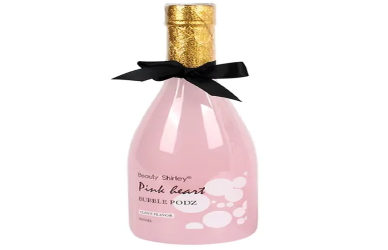
While shower gel offers many benefits, some formulations contain harsh chemicals that may not be ideal for everyone, particularly for those with sensitive skin. Common ingredients like sodium lauryl sulfate (SLS) and synthetic fragrances can strip the skin of its natural oils, leading to dryness and irritation. Over time, prolonged use of shower gels with these harsh chemicals may disrupt the skin's natural pH balance and protective barrier, making it more vulnerable to environmental stressors. It's important to read ingredient labels carefully and avoid products that contain sulfates, parabens, and other potentially irritating substances.
Even though many shower gels are formulated for sensitive skin, some individuals with extremely sensitive skin may still experience irritation or allergic reactions. This can be due to certain preservatives, fragrances, or other additives in the product. For those with conditions like eczema, rosacea, or allergies, using a shower gel with strong scents or chemical additives could lead to flare-ups, redness, or itching. Choosing fragrance-free or hypoallergenic shower gels specifically designed for very sensitive skin can help minimize these risks.
Not all shower gels are created equal, and selecting the right one is crucial for maximizing benefits while minimizing potential harm to your skin. It's important to choose a product that suits your skin type and addresses any specific skin concerns you may have. For instance, individuals with dry skin should opt for shower gels that are rich in moisturizers, while those with oily skin might prefer lighter, non-comedogenic formulations. Always consider the ingredients, and when in doubt, choose products with natural, gentle components to ensure a safe and beneficial experience.
Choosing the right shower gel starts with understanding its ingredients. The right formula can cleanse effectively while supporting your skin’s health. Here are key ingredients to look for:
Glycerin – A powerful humectant that draws moisture into the skin, keeping it hydrated and soft.
Aloe Vera – Known for its soothing and calming properties, it helps reduce irritation and supports sensitive skin.
Natural Oils (e.g., coconut oil, argan oil) – These help lock in moisture and nourish the skin’s protective barrier.
Ceramides – Support your skin’s natural barrier, helping it retain moisture and defend against irritation.
Oat Extract – A gentle ingredient that calms redness and itchiness, making it ideal for sensitive skin types.
Avoid shower gels that contain high levels of sulfates, artificial fragrances, and harsh detergents, as these can strip natural oils and cause dryness or irritation.
Dry Skin:
People with dry skin should choose shower gels that are deeply moisturizing and free from harsh detergents. Look for formulas rich in glycerin, natural oils, and soothing agents like aloe vera to help restore lost moisture and prevent dryness after bathing.
Oily Skin:
If your skin tends to be oily, go for a shower gel that offers a balanced cleanse without stripping your natural oils entirely. Lightweight, gel based cleansers with gentle surfactants help remove excess oil while maintaining a healthy skin balance.
Sensitive Skin:
For sensitive skin, fragrance free and hypoallergenic shower gels are ideal. Ingredients like aloe vera, oat extract, and ceramides help soothe and protect delicate skin. Avoid products with artificial fragrances and strong detergents that may trigger irritation.
Shower gel helps maintain skin hydration, offers gentle cleansing, and can be formulated for specific skin needs like dryness or sensitivity.
Yes, some shower gels contain harsh chemicals or fragrances that may irritate sensitive skin. Always choose mild, hypoallergenic options.
Most shower gels are designed to suit various skin types, but it’s important to pick the right product tailored to your specific needs.
Look for moisturizing ingredients like glycerin, aloe vera, and oils that help lock in moisture without stripping natural skin oils.
In conclusion, shower gel can be an excellent choice for maintaining healthy, hydrated skin when selected carefully. Its ability to cleanse while retaining moisture makes it a more skin-friendly option than traditional soap, especially for those with dry or sensitive skin. However, it's essential to choose a product that matches your skin type and needs, as some formulations may contain harsh chemicals or fragrances that can cause irritation. For those with specific skin concerns, such as dryness, oiliness, or sensitivity, selecting a shower gel with natural, moisturizing ingredients like glycerin, aloe vera, and essential oils is crucial.
To incorporate shower gel into your skincare routine effectively, use it daily or as needed, ensuring that you follow up with a good moisturizer to lock in hydration. When choosing a shower gel, always look for products that are free from sulfates, parabens, and artificial fragrances to minimize irritation. By choosing the right shower gel and pairing it with suitable skincare products, you can enjoy a clean, refreshed feeling while nourishing and protecting your skin.


