
Views: 0 Author: Site Editor Publish Time: 2026-08-20 Origin: Site
Beauty retail shelves look increasingly saturated today. Fierce competition regularly forces local beauty stores to slash prices just to survive. Selling established skincare brands often yields remarkably thin margins. This dynamic leaves retail owners highly vulnerable to online discounters. Relying solely on third-party products limits store profitability. Customers easily abandon local stores when they find cheaper online alternatives. However, launching owned-brand skincare assets changes this financial equation entirely. Creating a proprietary product line expands profit margins instantly. It also hands you direct control over long-term customer loyalty.
Launching a private label face mask captures high-margin impulse purchases. It builds enduring brand equity for your unique retail space. Success relies heavily on defining strict manufacturing criteria early in the process. You must vet partners for rigid compliance and proven scalability. In this guide, you will learn how to design lucrative proprietary products. We will explore essential specifications, risk mitigation, and merchandising strategies.
Margin Control: Owned-brand masks shift stores from low-margin reselling to high-margin brand ownership.
Strategic Specs: Success requires matching private label face mask specifications (materials, active ingredients, packaging) to your specific retail demographic.
Risk Mitigation: Profitability depends on balancing Minimum Order Quantities (MOQs) with product shelf-life and strict supplier compliance (GMP/ISO).
Vendor Selection: The right private label face mask supplier acts as a regulatory and formulation partner, not just a manufacturer.
E-commerce giants frequently undercut brick-and-mortar prices. This constant price war severely damages retail profit potential. When you carry only third-party brands, you hit a financial ceiling very fast. Established brands dictate retail prices and wholesale costs. They squeeze your net margins from both ends. Channel conflict naturally arises when those same brands sell directly to consumers. You spend time educating shoppers, only for them to buy online. Shifting toward owned-brand assets solves this margin compression.
A well-placed beauty stores private label face mask breaks this reseller cycle entirely. Owned-brand items act as highly effective point-of-sale additions. Customers love friction-free add-ons during the checkout process. Sheet products represent low-commitment, high-reward items for the consumer. They naturally expand your Average Order Value (AOV). Shoppers easily toss them into baskets before paying. You capture additional revenue without requiring lengthy sales pitches. Retailers routinely see margins of seventy to eighty percent on these proprietary lines.
Brand equity skyrockets when shoppers fall in love. If a customer loves your proprietary formula, they cannot buy it elsewhere. They must return to your specific physical or digital storefront. This exclusivity drives consistent repeat foot traffic. It fundamentally shifts consumer buying behavior. You transition from a simple distributor to a recognized skincare authority. Cultivating this localized loyalty creates a powerful moat against larger competitors.
Primary Business Benefits of Owned Brands:
Protects baseline profitability against massive online discounters.
Cultivates genuine brand loyalty through highly exclusive retail formulas.
Recaptures significant margin lost previously to distributor fees.
Establishes your retail store as an authoritative skincare innovator.
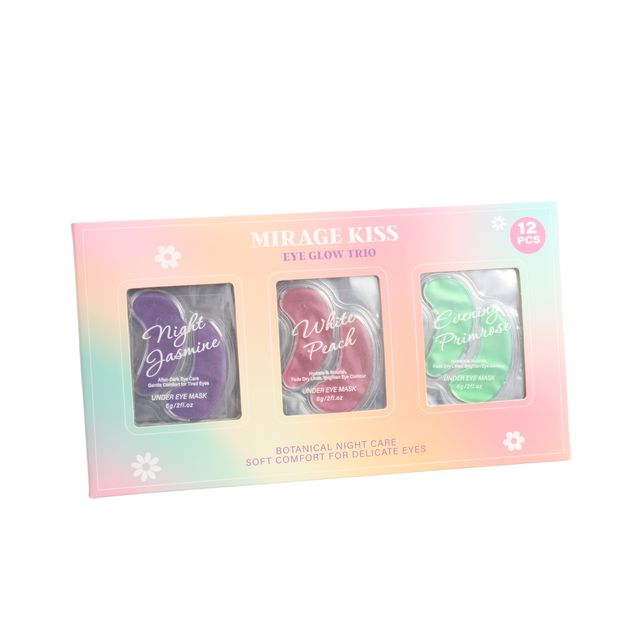
Your product must resonate visually and chemically. Base material selection dictates the initial user experience entirely. You must carefully weigh the cost-to-value ratios of various options. Standard non-woven cotton offers excellent affordability. It works beautifully for entry-level shoppers. Premium hydrogel or biocellulose materials provide superior skin adherence. They lock in moisture aggressively. They cater perfectly to luxury retail demographics. Knowing your customer base prevents costly material mismatches.
Base Material Performance Chart
Material Type | Cost Profile | Target Retail Audience | Key Advantage |
|---|---|---|---|
Non-Woven Cotton | Low | Budget-conscious buyers | High breathability, very affordable |
Hydrogel | Medium | Mid-tier spa clients | Cooling sensation, excellent facial fit |
Biocellulose | High | Luxury skincare consumers | Maximum active serum absorption |
Next, we evaluate serum formulation and active ingredients. White label stock formulations offer fast market entry. They utilize pre-tested, generalized ingredient lists. However, a custom private label face mask delivers distinct market separation. Customization lets you integrate highly trending active compounds. Peptides, niacinamide, and hyaluronic acid remain incredibly popular. Tailoring these ingredients ensures your formula perfectly matches local client needs. Custom formulas elevate your brand above generic drugstore alternatives.
Packaging presentation holds equal importance in retail settings. You must detail exact private label face mask specifications for retail-ready display. Structural integrity matters immensely. Die-cut pouch quality prevents costly leakage on your pristine shelves. High-quality matte or soft-touch finishes elevate perceived brand value. Ensure packaging materials withstand bright store lighting without fading. The outer box must communicate clinical efficacy instantly.
Common Packaging Mistakes:
Selecting glossy finishes which show fingerprints easily on shelves.
Failing to include a reinforced hang-hole for pegboard displays.
Using flimsy outer cartons which crush during transit.
A reliable manufacturer must serve as a regulatory partner. They should offer far more than basic production capacity. Compliance and certifications form your absolute baseline. You cannot compromise on authoritative industry credentials. An ideal private label face mask supplier holds ISO 22716 certification. This standard governs global Cosmetics Good Manufacturing Practices. They must possess updated GMP credentials. FDA facility registration remains non-negotiable for North American retail markets. These certifications prove they adhere strictly to safety protocols.
Ingredient transparency actively protects your brand reputation. You must formulate a clear auditing framework. Request detailed documentation on all raw ingredient origins. Examine their standardized testing protocols thoroughly. If you claim a cruelty-free or vegan status, demand verifying certificates. Programs like Leaping Bunny provide essential third-party verification. Modern consumers detect false marketing claims instantly. Radical transparency builds enduring trust among educated skincare buyers.
Consider scalability and lead times early in negotiations. Assess the manufacturer's capacity before signing binding contracts. They might handle initial pilot runs beautifully. However, can they support full-scale seasonal rollouts? Supply chain fracturing destroys holiday sales momentum quickly. Ask for their maximum daily production capacity. Ensure they have contingency plans for raw material shortages. A transparent partner discusses potential bottlenecks openly.
Supplier Evaluation Checklist
Evaluation Criteria | Minimum Requirement | Ideal Standard |
|---|---|---|
Facility Certifications | Local health department approval | ISO 22716, FDA Registered, cGMP |
Ingredient Sourcing | Basic Safety Data Sheets (SDS) | Full traceability, organic certs |
Production Capacity | Ability to meet MOQ | Ability to scale 5x during Q4 |
Communication Speed | Response within 48 hours | Dedicated account manager access |
Managing inventory mathematically determines your actual profitability. Minimum Order Quantities (MOQs) often scare new buyers initially. You must balance these MOQs against product expiration dates realistically. Active serums typically feature a 24- to 36-month shelf-life. Ordering 10,000 units sounds cheaper per unit initially. Yet, selling 300 units monthly leaves thousands expired. Calculate your realistic sell-through rate conservatively. Never over-leverage your cash flow purely for bulk discounts.
Stability testing remains absolutely critical for retail success. Never sign off on a formula blindly. Always demand accelerated stability data from your manufacturer. Challenge testing ensures preservatives effectively prevent microbial growth. Temperature fluctuations during shipping degrade unstable serums rapidly. You need concrete proof the formulation survives harsh transit environments. Skipping these tests invites catastrophic product recalls.
Regulatory labeling realities fall squarely on you. As the brand owner, you bear legal responsibility. You must guarantee packaging claims meet regional cosmetics regulations. Ensure ingredient lists follow precise International Nomenclature of Cosmetic Ingredients (INCI) rules. Missing warning labels invite severe legal penalties from regulatory bodies. Shared liability exists, but agencies penalize the brand name printed on the box first.
Best Practices for Risk Mitigation:
Order smaller pilot batches to test localized market demand.
Purchase comprehensive product liability insurance before launch.
Hire an independent regulatory consultant to review packaging artwork.
Request microbial challenge test results for every new batch.
Merchandising strategy directly dictates daily sales velocity. Place items strategically across your store footprint. Dedicated endcaps showcase new launches beautifully. Checkout counter displays capture those vital impulse decisions. Group products alongside corresponding cleansers or daily moisturizers. This visual association naturally builds complete skincare routines for shoppers. Excellent lighting highlights the premium finishes of your packaging.
Service pairing drives massive retail revenue. Many beauty stores include salon or esthetician components. Using your proprietary masks during services changes everything. Clients experience the soothing results immediately. The esthetician simply hands them the retail box afterward. This tactile integration dramatically boosts post-treatment retail conversions. It removes the friction of traditional sales pitches entirely.
Staff education ultimately seals the retail deal. You must train floor staff rigorously. They need intimate knowledge of the active ingredients. A confident employee easily recommends the in-house brand over established competitors. When your team understands the formula's benefits, they sell authentically. Passionate staff members act as your strongest brand ambassadors.
Effective Staff Training Tactics:
Host monthly hands-on testing sessions for all employees.
Provide pocket-sized cheat sheets detailing key active ingredients.
Offer generous team incentives for the highest weekly owned-brand sales.
Role-play common customer objections during morning huddles.
A well-executed proprietary strategy protects your retail margins entirely. It builds a powerful, localized retail moat around your business. You shift from a passive reseller to an active brand owner. Controlling formulations, packaging, and pricing secures your financial future. Customers return specifically for the unique experiences you provide. This strategy insulates you from predatory e-commerce pricing models.
Begin your strategic transition today. Research three to four specialized manufacturers immediately. Request comprehensive sample kits and detailed spec sheets. Conduct blind baseline testing among your most trusted staff members. Moving deliberately through these initial steps ensures long-term retail success. Establish your timeline, define your specifications, and launch your exclusive brand.
A: Standard MOQs vary significantly based on your customization level. Stock formulations utilizing pre-designed packaging often require just 500 to 1,000 units. However, a fully custom formula demands much higher minimums. Customizing specific active ingredients and securing unique die-cut pouches typically pushes MOQs to 10,000 units or more. Manufacturers need these volumes to justify raw material procurement and machine setup times.
A: Launching typically takes three to six months. Selecting a stock formula accelerates this timeline dramatically. In this scenario, you might launch in 60 days. Fully custom formulations require extensive sampling. You must complete 12 weeks of mandatory accelerated stability testing. Designing, printing, and shipping custom retail packaging adds another four weeks. Always pad your launch timeline.
A: The brand owner holds primary legal responsibility. Regulatory bodies investigate the company name printed on the packaging first. Shared liability often exists between you and the manufacturer. This makes supplier GMP certification crucial. It proves they followed safe production standards. Always secure comprehensive product liability insurance before selling any cosmetics. Do not rely solely on your manufacturer's insurance policy.
A: Yes, through a process called toll manufacturing. Standard private label workflows use the manufacturer's sourced ingredients. In toll manufacturing, you supply specific proprietary raw materials. The manufacturer then blends and packages them. This requires strict quality control agreements. You must provide certificates of analysis for your ingredients. The supplier will run stability tests to ensure compatibility.


