
Views: 0 Author: Site Editor Publish Time: 2026-09-30 Origin: Site
Procurement delays easily ruin your vital holiday sales season. Unsold inventory quickly drains your essential operating capital. Miscalculating Minimum Order Quantity (MOQ) ties up critical cash flow in excess stock. Underestimating lead times causes you to miss seasonal sales windows. Retailers and corporate gifters face a difficult reality. Subscription box brands deal exactly the same pressures. You must balance unit cost advantages against severe stockout risks. Avoiding capital lock-up remains a primary daily objective. Every purchasing decision impacts your long-term bottom line. We designed this guide to solve these exact procurement challenges. You will learn to evaluate production timelines accurately. We will show you how to negotiate realistic minimums effectively. You will discover methods to identify supplier red flags early. Ultimately, you will align your procurement strategy directly with your revenue goals. This structured approach prevents expensive supply chain mistakes.
Many buyers focus purely on unit price negotiations. They frequently ignore hidden inventory holding costs. Storing excess products heavily drains your warehouse budget. It also severely lowers your Gross Margin Return on Investment (GMROI). High MOQ requirements force you to buy more stock. This locks up cash you could spend on marketing. You must optimize cash flow carefully. Finding the exact break-even point prevents financial strain.
The liquid formula rarely dictates the true order minimums. A wholesale bath gift set faces hidden bottleneck restrictions elsewhere. Custom printed boxes require massive factory print runs. Molded plastic inserts demand high volume tooling investments. Specialized glass bottles have massive factory production limits. These secondary components bottleneck your entire manufacturing order. You must identify the limiting component early.
Production strategies fall into specific industry standards. Understanding these tiers helps you set realistic budgets. Private label goods utilize existing formulas. Custom formulations require entirely new recipes. Each path carries different minimum commitments.
Standard Industry MOQ Tiers
| Production Type | Typical MOQ | Cost Impact | Customization Level |
|---|---|---|---|
| Private Label (Pre-formulated) | 500 – 1,000 units | Lower initial investment | Packaging and labels only |
| Semi-Custom (Slight tweaks) | 1,500 – 2,500 units | Moderate investment | Scent or color variations |
| Custom Formulation | 3,000 – 5,000+ units | High initial capital | Fully bespoke ingredients |
Avoid common mistakes during your initial supplier outreach. Never assume the catalog MOQ applies to custom boxes. Always ask for a component breakdown. This reveals the true cost drivers immediately.
Wholesale timelines typically span thirty to ninety days. Blanket timeline guarantees often hide operational inefficiencies. You must break down this broad window. Measure each specific phase individually. This granularity highlights potential supply chain delays. We recommend tracking three distinct production phases.
Best practices dictate adding a reliable time buffer. Always pad factory estimates by twenty percent. This protects your planned retail launch dates. It prevents empty shelves during holiday rushes.
Formulation complexity drastically changes the procurement math. Specific wholesale bath gift set specifications dictate production speeds. Standard formulas move through assembly lines quickly. Custom blends demand rigorous testing phases. Laboratory trials extend timelines significantly. You must account for these technical formulation delays.
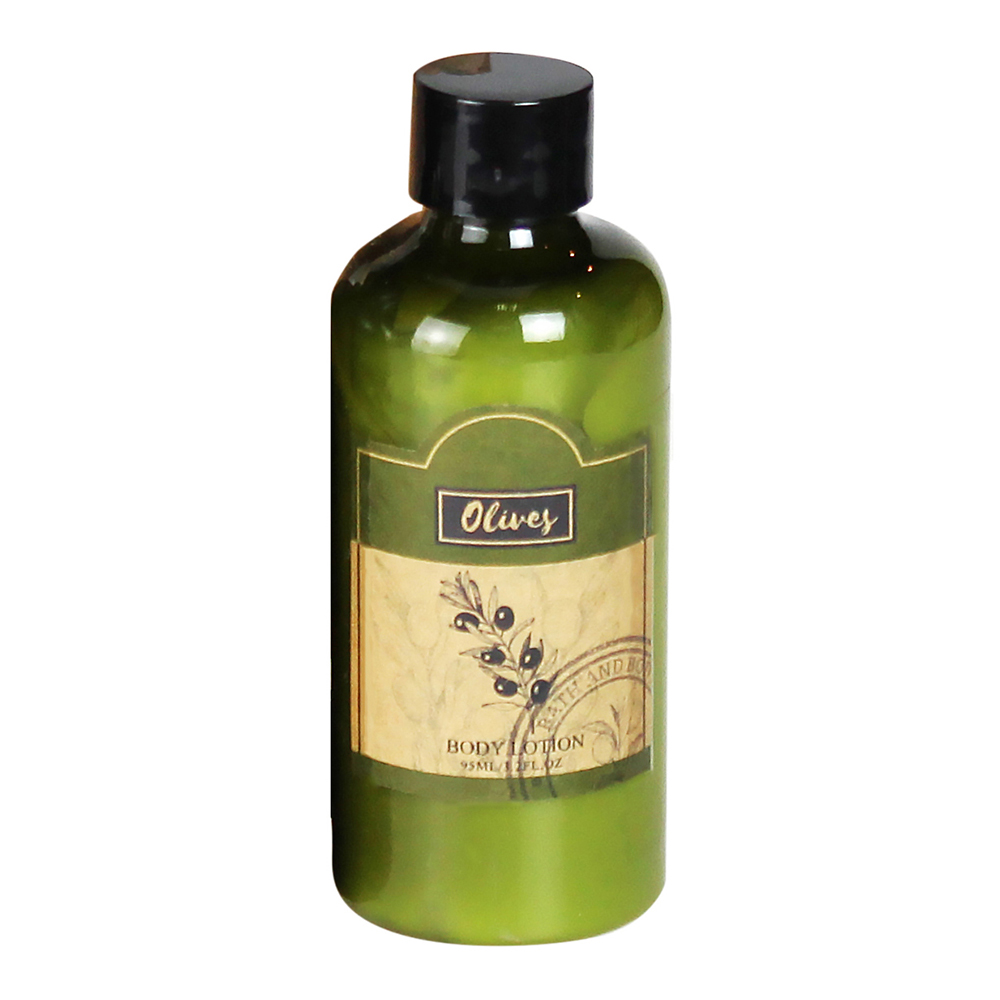
Consider an olive bath gift set project as a prime example. Sourcing specific organic extracts takes considerable time. Cold-pressed oils face seasonal harvest delays. These botanical ingredients extend raw material lead times. Secondary ingredient vendors often demand higher MOQs. This forces your primary manufacturer to increase their minimums. Rare ingredients always complicate procurement schedules.
Packaging approvals frequently delay production start dates. Custom structural molds require engineering adjustments. Foil stamping involves separate vendor coordination. Specialized structural integrity tests evaluate heavy liquid bottles. Dropping a leaky bottle ruins the entire shipment. These mandatory physical tests add two to three weeks. You must finalize packaging before initiating bulk production.
Negotiating lower minimums often increases your unit price. Factories penalize small runs heavily. You can utilize intelligent workarounds instead. We recommend three proven strategies to protect cash flow. They maintain factory volume requirements simultaneously.
A common mistake involves pushing factories too hard. Aggressive MOQ negotiations sometimes encourage factory corner-cutting. Factories might swap premium ingredients to maintain margins. Always tie quality control clauses to your negotiated minimums.
Supply chain resilience prevents catastrophic seasonal stockouts. You must audit a wholesale bath gift set supplier thoroughly. Superficial website reviews cannot replace operational audits. You need partners capable of scaling alongside your brand. Vetting requires specific, evidence-oriented conversations.
Ask these precise questions during your initial interviews:
Watch out for obvious industry red flags. Be highly skeptical of unusually short lead times. If a factory promises delivery drastically faster than average, probe deeper. They might skip mandatory stability testing. They might use expiring raw material inventory. Demand transparent explanations of their inventory holding strategies. Unrealistic promises usually end in disastrous quality failures.
Successful procurement operates as a delicate mathematical equation. You must balance available cash flow against crucial market timing. Navigating MOQ restrictions protects your operating budget. Managing lead times ensures your products hit shelves perfectly on schedule.
Take these concrete next steps before issuing your next purchase order:
Executing these steps secures your margins and eliminates supply chain anxiety.
A: Standard off-the-shelf white-label products usually require an MOQ of 500 units. These use existing formulas and standard packaging. Fully custom formulations demand higher volumes, often starting between 3,000 and 5,000 units. This higher minimum covers custom batching, specialized testing, and bespoke packaging setup costs.
A: You should add a standard 20% buffer to any quoted timeline. This usually translates to an extra 10 to 14 days. This buffer specifically absorbs Q4 holiday transit contingencies, unexpected customs inspections, and raw material sourcing delays. It ensures you meet retail launch dates safely.
A: Yes, custom packaging significantly delays production. Printing, foil stamping, and die-cutting custom boxes represents the longest step in the assembly process. Creating new structural molds adds even more time. Custom packaging components frequently add 15 to 20 days to your initial production order.


