
Views: 0 Author: Site Editor Publish Time: 2026-09-17 Origin: Site
The skincare market remains heavily saturated today. Consumers face endless choices every single day. Launching a skincare line requires far more than just slapping a logo on a generic bottle. Modern consumers are incredibly skeptical of basic white-label brands. They actively demand complete ingredient transparency, clinically proven efficacy, and uncompromised safety. Choosing the wrong formulation can quickly ruin your business. A careless partnership alongside an unreliable manufacturer often leads to dangerous product recalls. It causes devastatingly poor reviews and permanent brand damage. You must approach this process strategically to succeed in today's crowded market.
This guide provides a clinical, business-first framework for evaluating a private label facial cleanser. We will teach you how to vet manufacturing partners effectively. By the end, you will know exactly how to make a sourcing decision protecting your brand equity.
Consumer Trust is Paramount: Overcome the "private label stigma" by prioritizing high-quality, clinically tested formulations over bottom-dollar generic alternatives.
Formulation Dictates Success: Match your active ingredients and cleanser formats (gel, foam, cream) strictly to your target demographic's skin concerns.
Audit Before You Commit: Rigorously evaluate your skincare cleanser OEM for GMP/ISO certifications, stability testing, and transparent Minimum Order Quantities (MOQs).
Packaging Impacts Margins: Standardized but premium packaging (like a durable 150ml face wash pump) balances cost-efficiency with perceived brand value.
Modern consumers are highly educated on skincare science. They easily spot low-effort, mass-produced formulas. You cannot fool them by merely changing a label on a subpar product. Skincare shoppers read INCI lists meticulously. They research active ingredients before buying anything. Acknowledge this consumer skepticism early in your planning phase. It determines your entire sourcing strategy.
You must understand the distinct difference between white-label and premium private-label models. White-label means buying identical off-the-shelf formulas. Dozens of other brands might sell the exact same formula. Premium private-label involves working closely alongside a dedicated manufacturer. You tweak a proven base formula to create a highly unique custom face wash. This targeted approach adds distinct value to your brand. It separates you from lazy competitors.
Your ultimate goal is not just launching a product. You want to launch a highly stable, efficacious cleanser. It must generate repeat purchases organically. It needs to attract authentic positive reviews from real users. High-quality formulations build immense brand loyalty over time. They turn skeptical buyers into lifelong brand advocates. You build a real business asset when you prioritize formulation integrity over immediate cost savings.
Common mistakes new brands make include rushing the launch phase. They often prioritize cheap per-unit costs over formula stability. You must avoid this dangerous trap. Cheap formulas often separate in the bottle after a few months. Sometimes they develop unpleasant odors due to poor preservative systems. These issues destroy consumer trust instantly. Building real brand equity takes time. It requires a flawless initial user experience.
You must rigorously assess the manufacturer's stock formulas. Base formula selection dictates your product's market fit. Different skin types require entirely different delivery systems. Never apply a one-size-fits-all approach to facial cleansers. Consumers will notice poor compatibility immediately.
Gel cleansers work perfectly for oily and acne-prone skin profiles. You should look for formulations containing gentle exfoliants like salicylic acid. Verify they maintain low comedogenic ratings. This prevents clogged pores. Cream cleansers suit dry or highly sensitive skin best. Evaluate them for robust lipid barriers. They should include nourishing ceramides and hydrating hyaluronic acid. Foaming cleansers require careful surfactant assessment. Avoid harsh sulfates like SLS entirely. They strip the skin barrier aggressively. Instead, look for gentle amino-acid-based surfactants. They cleanse effectively without causing micro-tears.
Cleanser Format Comparison
Cleanser Format | Ideal Skin Type | Key Ingredients to Look For | Ingredients to Avoid |
|---|---|---|---|
Gel Cleanser | Oily / Acne-Prone | Salicylic Acid, Niacinamide | Heavy Oils, Waxes, Silicones |
Cream Cleanser | Dry / Sensitive | Ceramides, Hyaluronic Acid, Squalane | High-Foam Surfactants, Alcohol |
Foaming Cleanser | Combination / Normal | Amino-Acid Surfactants, Glycerin | Sodium Lauryl Sulfate (SLS) |
You must also evaluate the pH level of the base formula. A healthy skin barrier operates at a slightly acidic pH, typically around 4.5 to 5.5. Harsh cleansers containing high alkaline pH levels strip the acid mantle. This leaves the skin vulnerable to bacteria and extreme dryness. Always ask your manufacturer for the exact pH specification. Reject any formula exceeding a pH of 6.0 for daily facial use.
Ingredient transparency drives modern clean beauty standards globally. Verify your supplier can provide complete INCI lists instantly. Request all Safety Data Sheets (SDS) for legal compliance. Ask for documented proof regarding cruelty-free or vegan claims. Modern consumers will punish your brand publicly if you make unverified claims. Do not risk your reputation on flimsy marketing materials.
Understand your customization thresholds clearly. Minor adjustments rarely cause stability issues. You can realistically alter fragrance, botanical extracts, or color safely. These changes keep costs low. However, adding strong active ingredients changes the chemical profile entirely. Heavy customizations trigger mandatory new stability testing. This testing adds weeks to your timeline. It also increases your upfront investment significantly.
Do not compromise on mandatory industry certifications ever. You need a trusted facial cleanser manufacturer holding ISO 22716. This vital standard ensures strictly controlled Good Manufacturing Practices (GMP) for cosmetics. It guarantees sanitary facilities and consistent batch quality. Depending on your target market, you must verify additional compliance capabilities. Check FDA registration status for United States markets. Ensure EU CPNP compliance if you plan European expansion.
If you sell in the US, understand the Modernization of Cosmetics Regulation Act (MoCRA). Your partner must help you navigate these updated compliance rules. Reviewing their internal testing protocols is non-negotiable. A highly credible skincare cleanser OEM must provide hard evidence of rigorous safety checks. Ask for Preservative Efficacy Testing (PET) results. PET ensures the product resists dangerous bacterial growth like Staph or E. coli. Imagine the catastrophic legal damage of a customer getting a skin infection. Demand data on accelerated stability testing. This simulates a two-year shelf life in just a few months. It uses extreme heat and humidity chambers. Review microbial limit reports to guarantee ultimate consumer safety.
Analyze Minimum Order Quantities (MOQs) and unit economics carefully. Low MOQs might seem highly attractive initially. They allow you to test markets cheaply without massive upfront risk. However, you must meticulously check the price-per-unit scale at higher volumes. Ensure your retail margins remain viable as your business grows. High scaling costs can cripple a successful brand. You want a partner capable of growing seamlessly alongside your sales volume.
Map out realistic time-to-market realities before signing anything. Sampling usually takes several weeks. Production requires steady lead times. Shipping introduces variable, unpredictable delays. Discuss these timelines openly during initial vendor negotiations. Build ample buffer time into your launch schedule.
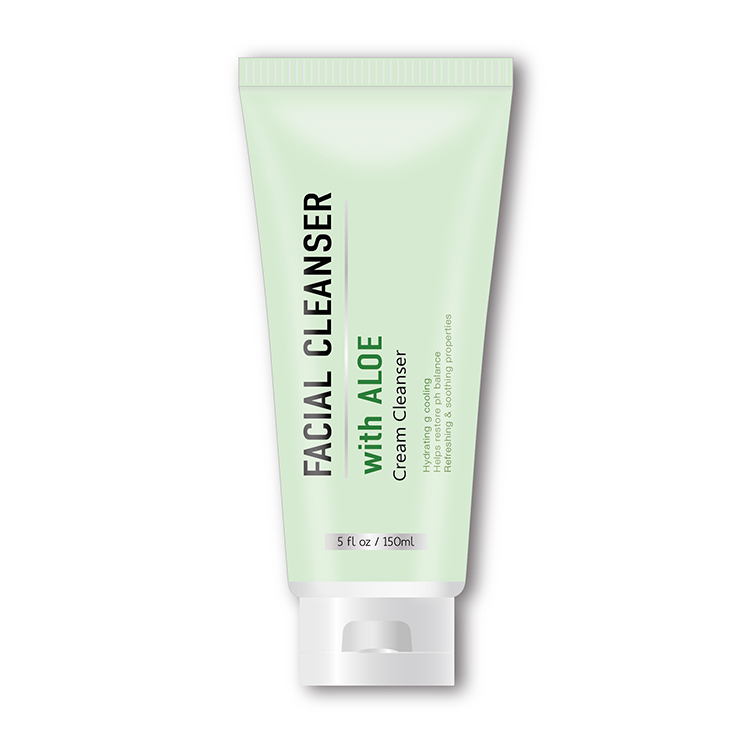
Your cleanser's format always dictates its packaging function. Highly viscous creams require squeeze tubes or wide-mouth jars. Liquid gels need precision pumps. If you mismatch viscosity and packaging, users will suffer immensely. Pumps will clog instantly, or tubes will leak uncontrollably in transit. Poor packaging ruins great formulas.
Standard sizing economics play a major role in overall profitability. Leverage industry-standard sizes whenever possible. A standard 150ml face wash bottle reduces custom tooling costs significantly. It provides a substantial, retail-ready appearance on the shelf. Custom molds drain your budget rapidly. They rarely add proportional consumer value. Stick to proven packaging formats first.
Modern consumers also care deeply about sustainability. Discuss Post-Consumer Recycled (PCR) plastics carefully alongside your manufacturer. Using a standard bottle made from 30% PCR plastic boosts your brand's ethical appeal. It reduces environmental impact while keeping tooling costs low. Glass is beautiful but heavy. It increases shipping costs dramatically and risks breakage during transit.
Material compatibility is absolutely critical for product safety. Ensure the manufacturer has tested the formula against the chosen packaging material. Certain active ingredients degrade cheap plastics rapidly. Unstable formulas can cause dangerous chemical leaching over time. They might warp the bottle or corroze the internal pump mechanism. Demand formal compatibility reports before placing bulk orders.
You need a highly systematic approach to shortlist potential manufacturing partners. We recommend a strict three-step framework. It removes dangerous emotional bias from the sourcing process.
Step 1: The Sample Audit. Order blind samples from your top three potential suppliers. Remove all supplier branding immediately. Transfer the samples into blank pump bottles. Invite a small focus group of five to ten people. Ask them to score the cleansers blindly. This removes the placebo effect entirely. Test them rigorously for texture, scent, and lather profile. Evaluate the post-wash skin feel carefully. You must avoid any formulations causing a "tight" or overly stripped skin sensation. Conduct patch tests on multiple skin types.
Step 2: The Documentation Check. Request official Certificates of Analysis (COAs) immediately. Ask for safety testing data for the exact formula you intend to purchase. Review these documents alongside a formulation expert. If a supplier hesitates or delays providing documentation, eliminate them immediately.
Step 3: Contract Finalization. Define strict Service Level Agreements (SLAs) in writing. Set extremely clear expectations regarding acceptable lead times. Outline harsh penalties for high defect rates. Clarify intellectual property ownership explicitly. You must know exactly who owns the rights to your formula tweaks. Clearly outline raw material sourcing standards. If a supplier changes their raw material vendor, you must know immediately. It can alter the final product's texture.
Choosing the right private label product is an exercise in strict risk mitigation. It requires an unwavering commitment to complete quality assurance. You must focus entirely on verifiable testing, transparent ingredients, and operational reliability. Ignore bottom-dollar generic alternatives completely. They will cost you exponentially more in long-term brand damage.
Take full control of your supply chain early. Prioritize trusted partners offering absolute transparency. We encourage you to request a sample kit from fully vetted suppliers today. Book a consultation alongside formulation experts to begin the rigorous vetting process. Taking deliberate, educated action now ensures a smooth, highly profitable product launch later.
A: MOQs vary widely by manufacturer and customization level. For standard private label formulations, MOQs typically range from 500 to 1,000 units. If you require OEM custom formulations, expect MOQs starting at 5,000 units or more. Always clarify volume requirements early in your negotiations to avoid surprises.
A: A realistic timeline spans 6 to 12 weeks. Sampling and formula approval usually take 2 to 4 weeks. Packaging sourcing and approval add another 2 weeks. Final production and assembly require roughly 4 weeks. Shipping times depend entirely on your final destination and chosen freight method.
A: Yes, but it has strict limits. Minor additions like botanical extracts or gentle fragrances are often possible quickly. However, adding strong actives alters the product's chemical profile. This mandatory change requires entirely new stability and safety testing, which increases costs and delays production.


