
Views: 0 Author: Site Editor Publish Time: 2026-08-30 Origin: Site
The personal care market is currently saturated across all product categories. Thousands of moisturizing formulas crowd retail shelves daily. Differentiating between effective skincare formulations and purely marketing-driven items is increasingly difficult. This evaluation challenge affects both individual consumers and large-scale retail buyers. Choosing the right hydration product requires moving far beyond aesthetic packaging. You cannot rely on pleasant fragrances alone. You must evaluate specific lipid ratios carefully. Understanding overall ingredient stability remains absolutely essential. Furthermore, you need to assess the underlying formulation intent. Relying solely on front-label promises frequently leads to subpar clinical results. We introduce this comprehensive guide as a pragmatic evaluation framework. It will help you rigorously analyze strict product specifications. You can accurately compare different emulsion textures using objective criteria. Ultimately, you will learn how to vet reliable formulations and manufacturing partners without falling victim to brand hype.
Selection should be based on the specific ratio of humectants, emollients, and occlusives required for the target skin barrier issue.
Understanding structural differences (e.g., body lotion vs. body butter) is critical for determining appropriate seasonal or clinical use.
Evaluating strict technical specifications ensures product efficacy, safety, and shelf-life stability.
For bulk procurement or private labeling, rigorous vetting of a body lotion supplier involves auditing compliance, batch consistency, and sustainability claims.
You must establish a clinical baseline before evaluating any skincare formula. Professionals constantly differentiate between temporary skin dehydration and an impaired barrier function. These two conditions require completely different chemical interventions. Temporary dehydration simply means the stratum corneum lacks adequate water. An impaired barrier function indicates your skin lacks essential structural lipids. You cannot treat both conditions using identical formulas.
Dehydrated skin feels tight and looks dull. It responds well to water-binding ingredients. We call these ingredients humectants. Impaired skin barriers present different symptoms entirely. They show redness, flaking, and severe irritation. This damage requires ceramide replacement and barrier repair strategies. You must identify the core deficit accurately. Misdiagnosing the skin condition guarantees product failure.
You need objective metrics to measure formulation success. A successful outcome requires measurable clinical improvements. We look for specific physiological changes. Consider the following targeted success markers:
TEWL Reduction: A measurable decrease in transepidermal water loss over a four-week period.
Non-Comedogenic Hydration: Increased moisture levels occurring independently of blocked hair follicles.
Inflammatory Soothing: A visible reduction in localized erythema and micro-inflammation.
Many consumers wrongly assume a single universal product exists. A holy grail skincare item remains a myth. Efficacy depends entirely on matching molecular weights correctly. You must pair the formulation chemistry to the specific dermatological deficit. Lightweight molecules penetrate quickly for superficial hydration. Heavier molecules rest atop the epidermis for protective sealing. Understanding this molecular reality prevents expensive procurement mistakes.
Understanding chemical emulsion differences helps you make better purchasing decisions. Formulators design distinct ratios for varying skin demands. A standard body lotion typically features a much higher water-to-oil ratio. This specific structure relies heavily on powerful humectants. Ingredients like glycerin and hyaluronic acid dominate the ingredient deck. These water-soluble components guarantee fast absorption rates. They provide excellent daily maintenance for normal skin profiles.
We can easily contrast this lightweight approach against heavier alternatives. A hybrid body lotion body butter fundamentally flips the chemical ratio. It delivers high oil and fat concentrations while minimizing water content. Pure butters utilize heavy botanical occlusives extensively. Formulators prefer raw shea and pure cocoa butter for these mixtures. These dense ingredients create a protective physical film. They seal moisture inside severely compromised skin barriers effectively.
Selecting the correct emulsion depends on environmental factors and skin profiles. Humid climates demand breathable formulas. Dry winter environments require robust lipid protection. You must map the texture to the specific usage scenario accurately. Oily skin types tolerate thin emulsions better. Eczema-prone individuals need heavy occlusion overnight.
Decision Matrix: Choosing the Right Hydration Format
Selection Criteria | Lightweight Lotions | Heavy Body Butters |
|---|---|---|
Climate Profile | High humidity, summer seasons | Low humidity, harsh winter months |
Target Skin Type | Oily to normal skin profiles | Severely dry, eczema-prone skin |
Primary Ingredients | Glycerin, Hyaluronic Acid, Aloe Vera | Shea Butter, Cocoa Butter, Squalane |
Application Timing | Morning routines, post-workout | Overnight repair, deep recovery |
You must move past flashy front-label marketing claims completely. Legitimate product evaluation requires understanding detailed chemical documentation. Instructing your procurement team to read a Certificate of Analysis changes everything. This document reveals the true nature of the skincare formula. It exposes cheap fillers and verifies active ingredient concentrations accurately.
Several critical dimensions determine product viability. You must evaluate these technical parameters rigorously. We prioritize three specific formulation metrics during any product audit:
pH Balance Optimization: The optimal range for acid mantle preservation sits strictly between 4.5 and 5.5. Highly alkaline products strip natural barrier lipids aggressively.
Viscosity and Spreadability: Texture impacts daily application compliance heavily. Thick pastes discourage regular consumer use. Measured viscosity ensures smooth, even distribution across large dermal surface areas.
Preservative Efficacy Testing: High-water formulas breed bacteria rapidly. You must verify robust preservation systems. Challenge testing proves the formula resists microbial contamination over time.
Demanding clear body lotion specifications protects your commercial investment significantly. It prevents unethical manufacturers from diluting expensive active ingredients. Strict documentation ensures exact batch-to-batch predictability. You guarantee consumers receive identical texture and performance every single time. Consistent quality builds long-term brand loyalty naturally. Refuse any supplier unable to provide comprehensive specification sheets upfront.
The global demand for sustainable personal care grows exponentially each year. Consumers want environmentally responsible skincare options immediately. However, you must maintain intense skepticism toward corporate greenwashing. Many brands use natural-looking packaging while utilizing environmentally toxic ingredients. True sustainability requires verifiable lifecycle improvements across the entire supply chain.
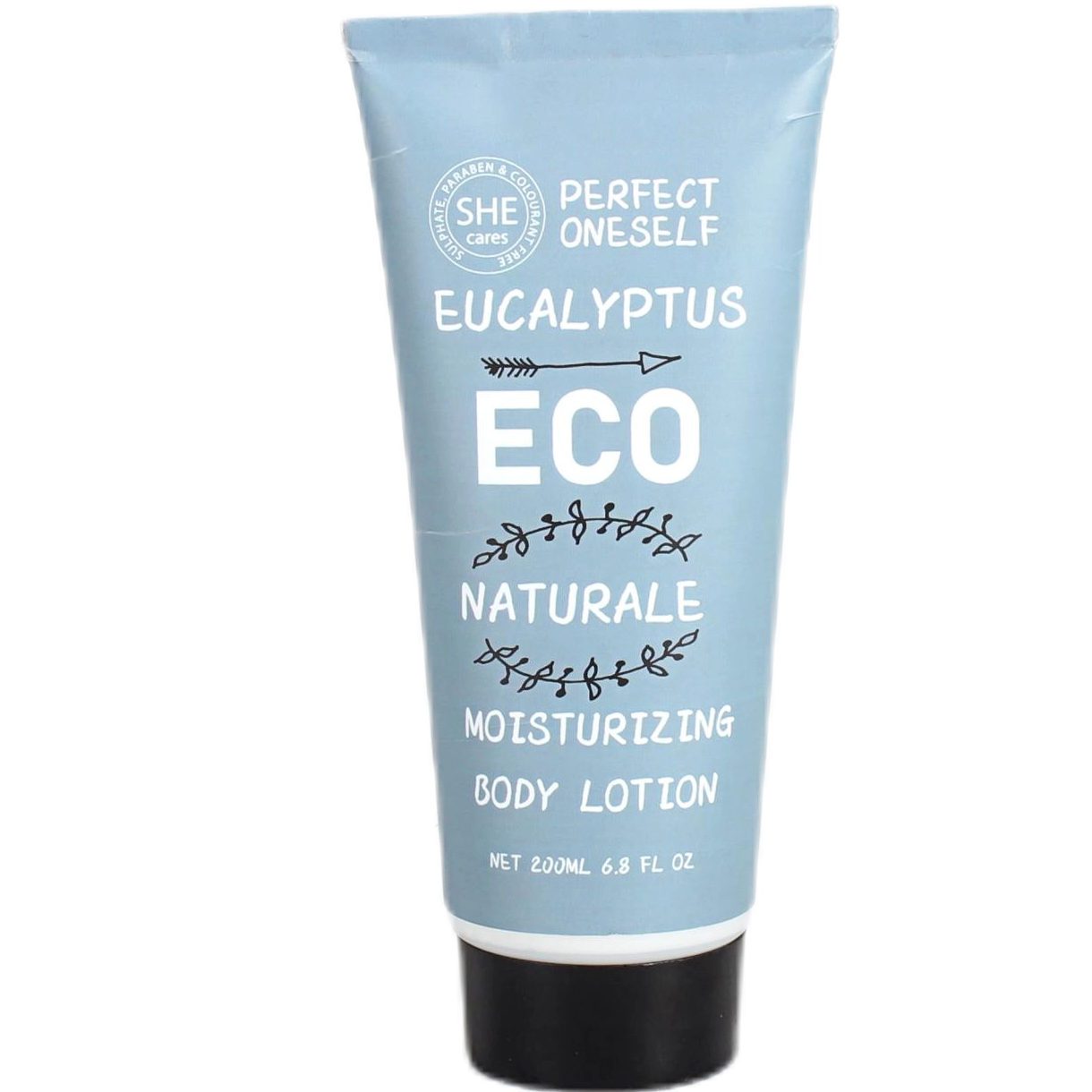
You must evaluate targeted sustainable formulations using objective benchmarks. Using a specific SKU like the bl25018 eco body lotion serves as an excellent evaluation proxy. It helps you assess biodegradable packaging technologies accurately. You can use it to verify legitimate cruelty-free certifications. We also examine formulations for ethically sourced botanical extracts. Fair-trade shea butter sourcing supports local farming communities directly. Traceable ingredients eliminate hidden environmental destruction.
Eco-friendly formulations introduce specific implementation realities. You must address these challenges proactively. Natural preservative systems often result in considerably shorter shelf lives. Plant-based antimicrobials degrade faster than synthetic parabens. You must adjust your inventory turnover expectations accordingly. Additionally, verify all third-party environmental certifications meticulously. Recognized labels like Ecocert provide genuine botanical assurance. FSC packaging certifications guarantee responsible forestry practices. Never trust unverified "green" claims on consumer packaging.
Commercial buyers face entirely different procurement challenges than retail consumers. Distributors and specialized skincare clinics need reliable products sourced at scale. Shifting your focus toward the manufacturing partner determines your long-term success. A brilliant formula means nothing if the factory cannot produce it consistently. You must establish strict vendor qualification protocols immediately.
You must outline strict non-negotiables when shortlisting any body lotion supplier. Do not compromise on baseline quality standards. We recommend evaluating these three mandatory operational pillars:
Regulatory Compliance Frameworks: Mandate active FDA facility registration. Verify strict adherence to EU cosmetic directives. Demand current cGMP certification documentation.
Supply Chain Transparency: Assess the manufacturer's ability to trace raw ingredient origins. You must know exactly where they source their primary carrier oils.
Manufacturing Scalability Logic: Balance Minimum Order Quantities against maximum production capacity. The facility must handle rapid scale without compromising established viscosity or scent profiles.
Commercial risks multiply rapidly during scaled production runs. You must protect your capital aggressively. Warn your procurement team against uncooperative vendors. Avoid suppliers unwilling to provide multiple sample batches for internal review. Demand recent third-party microbiological testing reports before signing long-term contracts. Transparent factories share stability data willingly. Secretive vendors usually hide substandard manufacturing practices.
You must formalize a localized testing protocol before fully committing to a purchase. Do not sign a major supplier contract based on theoretical data alone. Real-world physical testing reveals hidden formulation flaws quickly. Chemical stability on paper does not guarantee skin compatibility in practice. You need actionable feedback from diverse demographic groups.
We recommend standard patch testing for all individual consumers. Apply a small amount to the inner forearm. Wait forty-eight hours to check for allergic contact dermatitis. Commercial buyers require a more expansive approach. We suggest running small-batch pilot testing across diverse demographic subsets. Distribute samples to various age groups and diverse Fitzpatrick skin types. Collect structured feedback regarding absorption rates and fragrance tolerance. This broad testing strategy captures nuanced product performance data effectively.
Emphasize aligning your final choice directly with the original success criteria. Review the data concerning TEWL reduction and overall formulation stability. Fast absorption rates matter significantly for daily maintenance formulas. Ignore anecdotal online reviews entirely. Base your final procurement decision on objective clinical performance. Verifiable data always outperforms subjective marketing narratives.
Choosing the right hydration product remains a precise calculation. It requires balancing chemical composition against specific skin barrier needs. Adding supplier reliability to this equation guarantees commercial success. You must move past aesthetic packaging to analyze actual lipid profiles.
Take the following action steps before your next skincare procurement cycle:
Define your specific dermatological deficit before reviewing product catalogs.
Request and analyze the Certificate of Analysis for any bulk product purchase.
Verify third-party sustainability certifications independently to avoid greenwashing traps.
Conduct structured demographic pilot testing before finalizing supplier contracts.
We strongly encourage commercial decision-makers to prioritize transparent technical specifications. Demand verifiable clinical data and clear manufacturing documentation. Objective chemical analysis will always guide you toward superior skincare formulations.
A: Moisturizer serves as a broad umbrella term encompassing creams, ointments, and gels. A standard lotion features a highly specific viscosity profile. It contains a much higher water content compared to heavy creams. This thinner emulsion absorbs rapidly into the human epidermis. It suits daily hydration needs perfectly without leaving greasy residues behind.
A: You should check the PAO symbol first. This Period After Opening icon resembles a small open jar. It indicates safe usage months after unsealing. Additionally, request formal stability testing data from the manufacturer. These accelerated aging reports confirm the formulation actively resists chemical separation and microbial growth over time.
A: Look beyond basic green packaging designs. True sustainability requires verified biodegradable ingredients. The chemical formula must break down harmlessly in local water systems. You should also verify recyclable packaging metrics strictly. Look for post-consumer recycled plastics or FSC-certified paper. Legitimate third-party certifications like Ecocert provide objective proof of these environmental claims.
A: Yes, certain heavy formulations can definitely clog pores. We measure this risk using a standardized comedogenic rating scale. Rich ingredients like raw coconut oil score very high. They easily block hair follicles on oily skin types. You must match the lipid profile to your specific skin type. Acne-prone skin requires strictly non-comedogenic alternatives.


