Views: 0 Author: Site Editor Publish Time: 2026-09-08 Origin: Site
Body wash vs shower gel is usually a difference in product design, texture, cleansing system, and sensory positioning—not a universal formula rule.
Both are liquid body cleansers. Shower gels are often positioned around a gel texture, visible lather, fragrance, or a refreshing rinse experience, while body washes are often positioned around comfort, conditioning, or everyday cleansing. But those tendencies overlap enough that the finished formula matters more than the name on the front of the bottle.
If you have ever compared body wash vs shower gel and wondered why the answers seem inconsistent, there is a simple reason: the two categories overlap heavily. Both are rinse-off liquid cleansers designed to remove sweat, oils, dirt, and other material from the body with the help of surfactants.
What changes from product to product is the complete formulation. Surfactant selection, viscosity, foam profile, conditioning ingredients, fragrance, pH, color, clarity, and packaging can all be adjusted independently. That means a shower gel can be mild and moisturizing, and a body wash can be clear and strongly fragranced. The product name gives you a positioning clue, not a laboratory specification.
| Comparison point | Shower gel | Body wash |
|---|---|---|
| Typical positioning | Often built around a fresh, gel-like, fragrance-led, or invigorating shower experience. | Often positioned around everyday cleansing, comfort, conditioning, or a softer after-feel. |
| Texture | Frequently gel-like, but viscosity can range widely. | Can be fluid, gel-like, creamy, pearlescent, or opaque. |
| Surfactant system | Selected for the intended cleansing, foam, rheology, and skin-feel profile. | Selected for the intended cleansing, foam, rheology, and skin-feel profile. |
| Fragrance | Can be strongly fragranced, lightly fragranced, or fragrance-free. | Can be strongly fragranced, lightly fragranced, or fragrance-free. |
| pH | Determined by the finished formulation, not by the word “gel.” | Determined by the finished formulation, not by the word “wash.” |
| Best way to compare | Look at the formula, directions, after-feel, fragrance, and intended use. | Look at the formula, directions, after-feel, fragrance, and intended use. |
A shower gel is not automatically “stronger,” and a body wash is not automatically “gentler.” Those qualities come from the surfactant system and the rest of the finished formula.
Product developers can create very different rinse-off experiences from the same broad cleanser category. Instead of assuming that one name comes with a fixed recipe, it is more useful to look at the formulation levers behind the finished product.
This is why a body wash can be transparent and gel-like, while a shower gel can include glycerin or other conditioning ingredients. The formulation brief comes first; the category name summarizes the intended experience afterward.
Cleanser mildness is a property of the complete system. The surfactants are especially important because they provide the cleansing action, but their concentration, blend, formulation environment, and interactions with other ingredients all affect how the product behaves on skin.
Different surfactant combinations can produce different levels of foam, cleansing, skin interaction, and rinse feel.
Humectants and conditioning ingredients can influence how comfortable or dry the skin feels after rinsing.
Application amount, water temperature, wash frequency, contact time, and mechanical scrubbing all affect the cleansing experience.
A cleanser formulated near skin-surface pH is not automatically gentler than every neutral cleanser. Surfactant selection and the full ingredient system still matter, so “pH-balanced” should be evaluated as one formulation feature rather than the entire mildness story.
Instead of choosing by a fixed skin-type rule, start with the cleansing experience you want and then check whether the individual formula delivers it.
| If you want... | What to look for | Category clue |
|---|---|---|
| A gel texture and visibly rich lather | Rheology, foam profile, fragrance, and rinse feel. | Often marketed as shower gel. |
| A comfort-focused daily cleanser | Mild surfactant blend, conditioning ingredients, and comfortable after-feel. | Often marketed as body wash. |
| A fragrance-led shower experience | Fragrance profile and finished sensory experience rather than category name. | Either can work. |
| Less post-wash tightness | Evaluate the surfactant system, conditioning ingredients, and actual skin feel. | Do not choose by “wash” vs “gel” alone. |
| A multi-use hair-and-body product | A formula specifically designed and labeled for both hair and body use. | Look for “Hair & Body Wash” or another explicit multi-use direction. |
If a cleanser consistently leaves your skin uncomfortable, switching to another finished formula is more useful than simply switching the word on the bottle. A mild shower gel can suit you better than an aggressive body wash, and the reverse is equally possible.
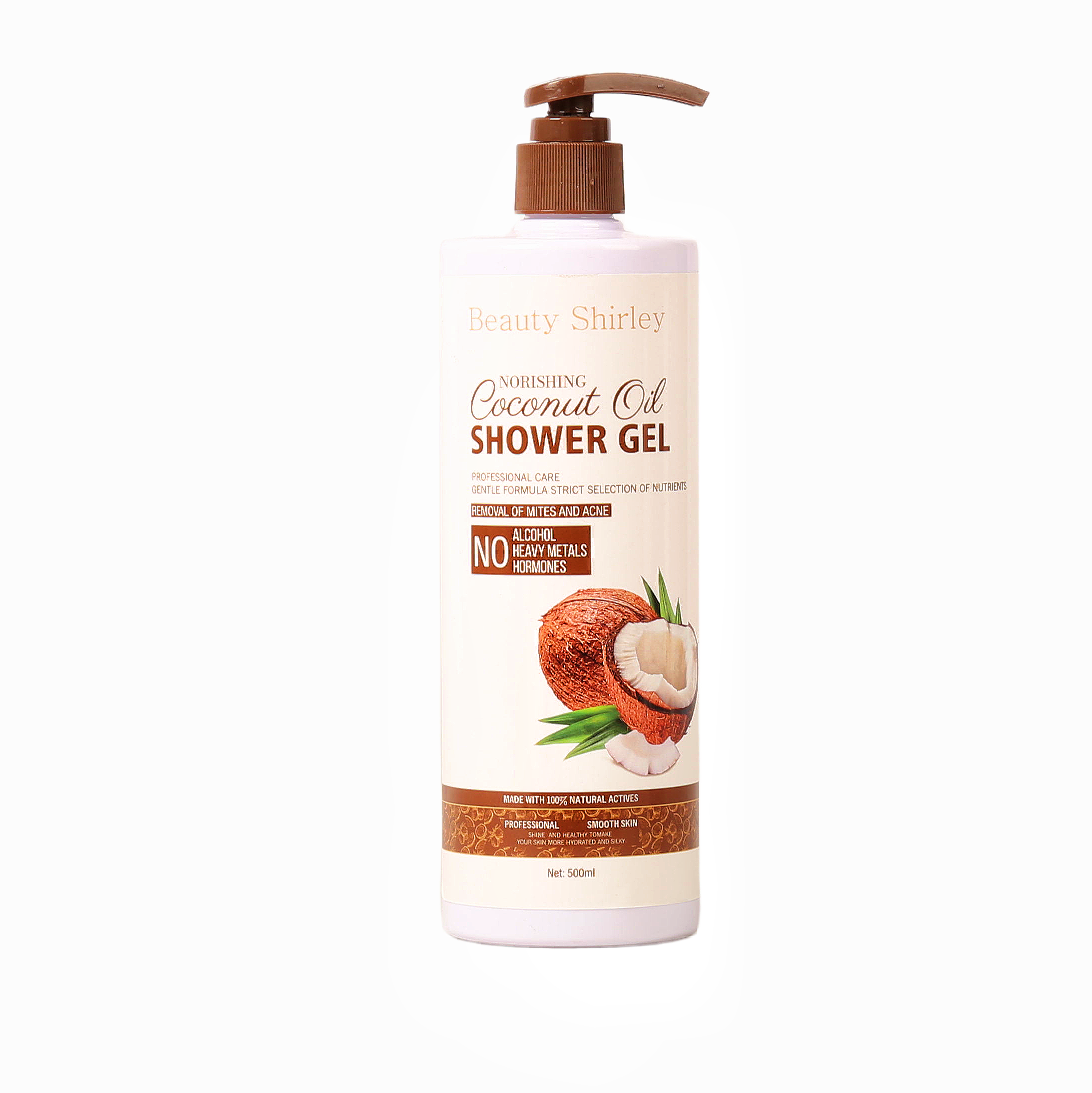
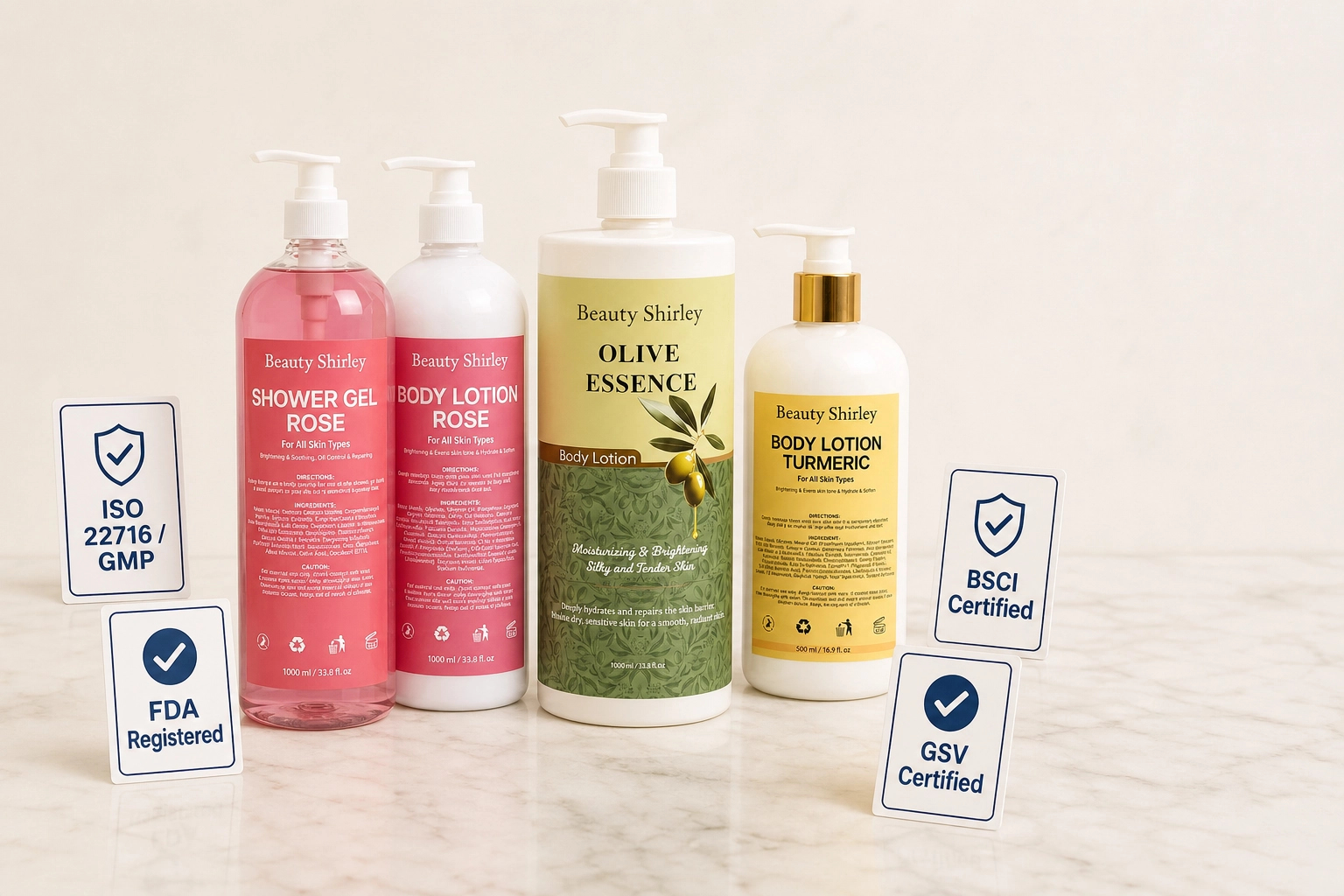
Our current bath-and-shower range provides a useful real-world example. One SKU is marketed specifically as a shower gel, while another product title uses Body Wash Shower Gel together. That naming overlap reflects the broader market: the finished formula and positioning are more informative than trying to create an artificial boundary between the two words.
These examples are not presented as universal formula templates. They simply show how the same manufacturer can use shower gel, body wash, or both terms within one bath-and-shower portfolio depending on the SKU and market presentation.
Because the names overlap, several pieces of product information tell you more than the category word alone.
U.S. cosmetic regulation does not create one statutory formula for “body wash” and another for “shower gel.” Regulation depends on what the finished cleanser contains, how its cleansing action is achieved, and how the product is intended and marketed to be used.
Traditional “soap” has a specific regulatory definition tied to alkali salts of fatty acids and cleansing-only use. Many modern liquid body cleansers instead rely on synthetic detergent systems and are regulated according to their intended cosmetic or drug use. That distinction is separate from whether a brand chooses the words body wash or shower gel on the front of the package.
At BeautyShirley, we develop body wash and shower gel concepts from the target consumer experience backward. The name is not the first technical decision. We first define how the product should cleanse, foam, spread, rinse, smell, feel on skin, and dispense from its package.
Brands can review our Body Wash, Shower Gel & Bubble Bath range for current format examples or use our OEM/ODM customization service to develop formula, fragrance, packaging, and branding around a specific market brief.
They are closely related liquid body-cleansing formats, and the names often overlap. Shower gel usually signals a gel-like or refreshing positioning, while body wash often signals broader everyday cleansing or comfort. The actual formula determines the meaningful difference.
No. Mildness depends on the surfactant system and the rest of the formulation. A mild shower gel can feel gentler than a more aggressive product labeled body wash.
Choose the finished cleanser that leaves your skin comfortable rather than relying on the name alone. Compare the cleansing system, conditioning ingredients, directions, and your own after-wash experience.
Not automatically. Some shower gels are positioned around a fresh or high-foam experience, but the product name does not tell you how much oil or sweat it will remove. The actual surfactant system matters more.
Only if the finished product is specifically designed and labeled for facial use. A standard body cleanser should not automatically be treated as a facial cleanser simply because it feels mild.
Only when the product is designed and labeled as a multi-use hair-and-body cleanser. Hair cleansing has its own performance requirements, so a regular body wash should not automatically be used as shampoo.
Not because it is called shower gel. Finished pH depends on the formulation. It is also only one factor in cleanser mildness; surfactant selection and the complete formula are equally important.
Start with the intended cleansing experience, texture, foam, fragrance, after-feel, user, package, and target market. At BeautyShirley, we align those product decisions first and then use naming and claims that accurately reflect the finished formula.
Body wash vs shower gel is not a choice between two rigid formula classes. Both are liquid body cleansers, and the names overlap enough that a product can reasonably sit under either position depending on its formula, texture, sensory profile, and market presentation.
Do not assume that shower gel always contains more surfactant, more fragrance, or a higher pH, or that body wash is automatically milder or more moisturizing. Those qualities have to be created in the finished formula.
For brands, the strongest development brief starts with the experience you want consumers to have, then aligns the cleansing system, texture, fragrance, package, and claims around it. That is how we approach body wash and shower gel development at BeautyShirley.