Views: 0 Author: Site Editor Publish Time: 2026-09-08 Origin: Site
Body lotion vs body cream is mainly a difference in texture, sensorial profile, and finished formulation—not a fixed oil-to-water percentage.
Body lotions are typically easier to spread and lighter on the skin, while body creams are typically more substantial and cushioning. But the name alone cannot tell you exactly how moisturizing, rich, or occlusive a product will be. The ingredient system and finished formula matter more than the category label.
The difference between body lotion and body cream seems obvious on a store shelf: lotion usually pours or pumps easily, while cream usually feels thicker and more substantial. The confusing part is trying to turn that observation into a universal formula rule.
There is no single oil percentage, water percentage, viscosity number, or ingredient that legally separates every body lotion from every body cream. They are neighboring moisturizer formats. In practice, formulators adjust the emulsion system, emollients, humectants, thickeners, sensory modifiers, and package together to create the experience the brand wants.
| Comparison point | Body lotion | Body cream |
|---|---|---|
| Typical texture | Fluid to medium-viscosity; generally easy to spread over larger areas. | Medium to rich; generally feels more substantial during application. |
| Typical finish | Often designed for a lighter, faster-disappearing skin feel. | Often designed for a more cushioned or lingering emollient feel. |
| Formula direction | May emphasize spreadability, low tack, and easy all-over use. | May emphasize richness, cushion, and a more substantial after-feel. |
| Common packaging | Pump bottle, squeeze bottle, tube, or other dispensable formats. | Tube, jar, pump, or other packaging compatible with the finished viscosity. |
| Best way to compare | Look at formula, texture, finish, directions, and intended use. | Look at formula, texture, finish, directions, and intended use. |
The word “cream” does not automatically mean a product contains a fixed amount of oil, and the word “lotion” does not automatically mean a fixed amount of water. A rich lotion can overlap with a light cream. The finished formula is the real specification.
Both formats are commonly built as emulsions containing water-phase and oil-phase ingredients held together by an emulsifying system. The difference comes from how those components are balanced and structured—not from one ingredient that turns a lotion into a cream.
A formulator can therefore create a relatively rich lotion or a surprisingly light cream. That is why phrases such as “cream always has more oil” are useful as broad shopping shorthand but not as universal formulation specifications.
Moisturizers are better understood by what their ingredients do than by whether the front label says lotion or cream. Three functional groups are especially useful for understanding the difference.
Examples include glycerin and other water-binding ingredients commonly used in both lotions and creams.
Oils, esters, lipids, and similar ingredients influence smoothness, spreadability, and the feel left after application.
Occlusive ingredients form a more persistent surface layer that helps slow evaporation from the skin.
Creams are often formulated for a richer emollient or occlusive feel, but that is a tendency rather than a guarantee. A lotion with the right ingredient system can be highly moisturizing, while a cream can be designed to feel light and elegant.
Instead of choosing by a rigid skin-type rule, compare the sensory experience you want and the job the finished formula needs to do.
| If you prefer... | Usually start with... | What to check |
|---|---|---|
| Fast spreading over arms and legs | Body lotion | Low tack, easy spreadability, and a comfortable finish. |
| A richer, more cushioned after-feel | Body cream | Emollient profile, finish, and how substantial the product feels after application. |
| A lightweight daytime moisturizer | Often lotion | Actual formula and finish matter more than the name. |
| A more substantial cold-weather or nighttime texture | Often cream | Look for a formula whose emollient and occlusive profile matches the feel you want. |
| A minimalist routine | Either | Choose the one formula that gives you the texture and moisturization you actually enjoy using. |
Many people prefer lighter textures in warm or humid conditions and richer textures in cold or dry conditions. That is a sensory and routine preference—not a rule that determines whether a product must be labeled lotion or cream.
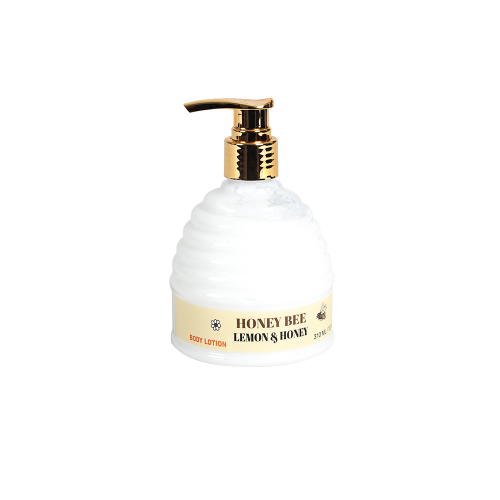
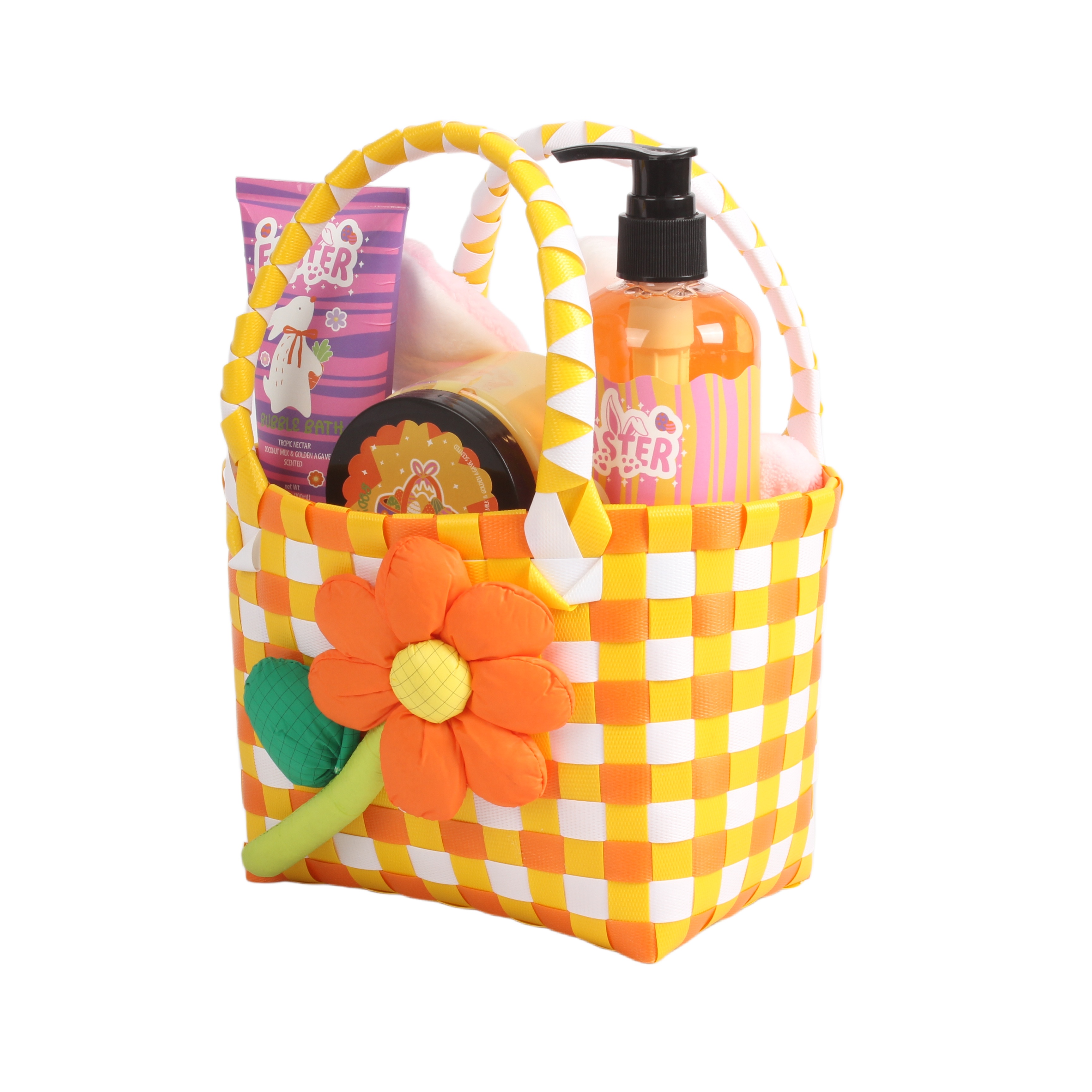
Current products in our body-care range show how the same broad moisturizing category can be translated into different textures and packages. These examples are useful for format comparison; they do not establish universal specifications for every lotion or cream.
The useful lesson is not that pump always means lotion or jar always means cream. These are two examples of how BeautyShirley combines formula format and package selection for a particular product brief.
Packaging gives you clues about viscosity, but it is not a reliable definition by itself. The dispensing system has to work with the finished formula, and modern packaging can handle a wider viscosity range than simple shelf stereotypes suggest.
Common for flowable lotions, but compatible pumps can also dispense creams depending on viscosity and package design.
Works across a broad range of lotion and cream textures and supports controlled, portable dispensing.
Useful for formulas designed to be scooped or for products whose viscosity and presentation suit a wide opening.
For a private-label project, packaging should be selected after the target texture is defined and then evaluated for compatibility, dispensing, stability, transport, and user experience.
At BeautyShirley, we approach body lotion vs body cream as a complete product brief rather than choosing the name first. The desired texture and consumer experience guide the formulation, dispensing system, package, fragrance, and final claims.
Brands can review our Body Lotion & Body Butter range for current format examples or use our OEM/ODM customization service to develop a formula, fragrance, package, and brand presentation around a specific brief.
Body lotion is typically formulated for a lighter, more fluid application, while body cream is typically more substantial and cushioning. The exact difference depends on the individual formula rather than a fixed oil or water percentage.
No. Creams often use a richer emollient or occlusive profile, but moisturizing performance depends on the complete ingredient system. A well-formulated lotion can provide substantial moisturization without feeling heavy.
Yes. Some people prefer a lighter texture for one part of the day and a richer formula later, or use different textures on different body areas. There is no requirement to choose only one format.
Many people prefer lighter lotions in hot or humid conditions because of their sensory feel, but climate does not determine the category. A light cream may still feel comfortable, and a rich lotion may feel heavier than expected.
Not necessarily. Pumps are common for lotions, but pump systems can also be designed for creams. Packaging needs to be matched to the actual viscosity and dispensing behavior of the finished formula.
Not necessarily. “Body butter” is usually positioned as a richer body-moisturizing format, but the term does not establish a fixed formula. For a direct format comparison, evaluate the finished texture and ingredient system rather than assuming all butters or creams follow one recipe.
Start with the desired user experience: spreadability, richness, finish, fragrance, and use occasion. Then align the emulsion system, viscosity, packaging, directions, and claims. At BeautyShirley, we develop those elements together rather than treating “lotion” or “cream” as a label-only decision.
Body lotion vs body cream is best understood as a texture and formulation comparison rather than a rigid ingredient ratio. Lotions are usually designed to feel lighter and spread easily, while creams are usually designed for a richer, more substantial experience.
That does not mean every cream is automatically more moisturizing or every lotion is automatically lighter. Humectants, emollients, occlusives, rheology, application amount, and the finished formula all affect performance and feel.
For brands, the same logic applies at development stage: define the desired consumer experience first, then build the formula and package around it. That is how we approach body lotion and body cream projects at BeautyShirley.